
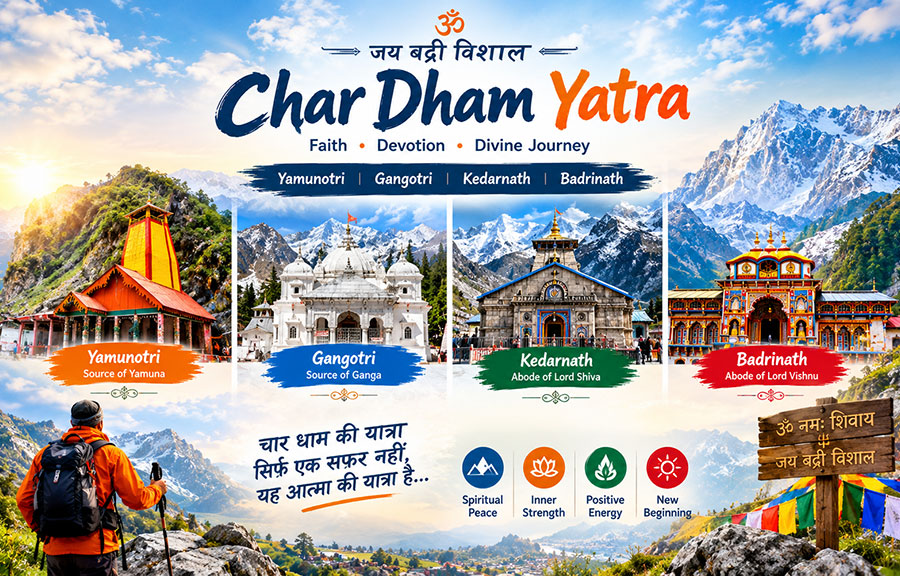
Char Dham Yatra Guide 2026: Temples, Route, Registration and Essential Travel Tips
The Char Dham Yatra is one of India’s most meaningful pilgrimage journeys. Set among the dramatic valleys and high mountain landscapes of Uttarakhand, it brings devotees to four revered shrines: Yamunotri, Gangotri, Kedarnath and Badrinath. For many families, the journey is about faith and tradition; for others, it is also a chance to slow down, reflect and experience the Himalayas with respect.
A successful yatra needs more than devotion. Mountain weather can change quickly, roads may be affected by rain or landslides, and walking sections can be demanding. Use this guide to understand the four destinations, plan a realistic route and prepare carefully. Temple opening dates, road conditions, registration rules and local arrangements can change, so confirm current information through official Uttarakhand tourism channels before leaving.
What Is the Char Dham Yatra?
In Uttarakhand, the Char Dham circuit refers to four important pilgrimage sites in the Garhwal Himalayas. The traditional route is commonly planned in this order: Yamunotri, Gangotri, Kedarnath and Badrinath. Each destination has its own spiritual significance and travel conditions, so avoid treating the circuit as a race. Give yourself enough time for rest, weather delays and the physical demands of mountain travel.
1. Yamunotri Dham: The Source of a Sacred Journey
Yamunotri is dedicated to Goddess Yamuna and is associated with the origin of the Yamuna River. The final approach to the temple involves a walk from the roadhead at Janki Chatti. The route is uphill, so comfortable shoes, a steady pace and frequent short breaks can make a real difference.
Travel tip: Start early, carry drinking water and keep a warm layer handy even if the day begins pleasantly. If you are travelling with older family members, assess walking ability honestly and ask local authorities about current route conditions.
2. Gangotri Dham: Along the Sacred Ganga
Gangotri Temple is dedicated to Goddess Ganga and sits in a striking Himalayan setting. The journey passes through mountain towns and river valleys, making it important to plan driving time conservatively. A scenic road does not always mean a quick road; narrow stretches, traffic controls and weather can affect the schedule.
Travel tip: Avoid late-night driving on unfamiliar mountain roads. Keep snacks, water, prescribed medicines and a charged phone accessible rather than packed deep inside luggage.
3. Kedarnath Dham: A Demanding and Memorable Pilgrimage
Kedarnath, dedicated to Lord Shiva, is among the best-known Himalayan pilgrimage destinations. The approach includes a substantial trek from the designated starting point, although approved transport arrangements may vary according to official rules and availability. Altitude, cold, steep sections and long queues can make the visit physically demanding.
Travel tip: Build fitness gradually before the trip with comfortable walking and light endurance exercise. Do not ignore chest discomfort, unusual breathlessness, dizziness or severe weakness. Stop and seek medical help if you feel unwell. Book helicopter services only through the official channel identified by Uttarakhand authorities; availability and operating conditions can change with weather.
4. Badrinath Dham: A Sacred Abode of Lord Vishnu
Badrinath Temple is dedicated to Lord Vishnu and is located in the Alaknanda valley. Compared with Kedarnath’s trekking approach, access is generally road-based, but high-altitude conditions and mountain traffic still call for patience. Many travellers also visit nearby places when permitted and when time, weather and local guidance allow.
Travel tip: Keep your schedule flexible and follow local instructions around temple access, parking, queues and nearby attractions. Do not assume that every nearby route or site will be open during your visit.
“Travel slowly enough to notice the place, the people and the purpose of the journey.”
Suggested Char Dham Yatra Route
A common itinerary starts from the Dehradun or Haridwar area and continues towards Yamunotri, Gangotri, Kedarnath and Badrinath before returning. The exact route and number of nights depend on your starting point, transport, fitness, accommodation and road conditions.
- Before departure: Reach your starting city with time to rest, check documents and confirm the latest registration and route updates.
- Yamunotri: Plan an overnight stop near the approach route and allow enough time for the walk.
- Gangotri: Keep a full travel window for the mountain drive and temple visit.
- Kedarnath: Reserve sufficient time for the trek, darshan, rest and any weather-related delay.
- Badrinath: Allow time for the temple visit and the road journey that follows.
This is a planning framework, not a guaranteed day-by-day timetable. Avoid booking every leg too tightly together. During a Himalayan pilgrimage, a spare day can be more useful than a packed itinerary.
Char Dham Yatra Registration: What to Check
Uttarakhand’s official Char Dham registration portal provides registration and tour-planning information. The official tourism website states that registration for the 2026 yatra is available through its portal and mobile application. Requirements and procedures can be updated, so read the latest instructions rather than relying on an old screenshot, forwarded message or third-party post.
- Visit the official Tourist Care Uttarakhand registration portal.
- Enter pilgrim details and travel dates carefully, and select the destinations and travel mode as instructed.
- Save or print the registration confirmation and keep it available during the journey.
- Carry valid identification and any other documents specified by the current official guidance.
- Check whether vehicle registration, darshan tokens, health declarations or additional booking steps apply to your plan.
Registration details can differ by season and travel arrangement. Do not pay an unknown person who promises to bypass official procedures. Use official booking channels for services such as helicopter tickets.
Best Time to Plan the Yatra
The shrines generally operate seasonally, with opening and closing dates announced by the relevant authorities and temple committees. Spring and early summer can bring heavy pilgrim traffic; monsoon periods may bring rain, landslides and road interruptions. Later in the season, temperatures can fall sharply, particularly at higher elevations.
There is no single perfect date for every traveller. Check the official opening schedule, local weather forecast, road status and health advisories close to departure. If an authority advises against travel or a route is closed, change your plan rather than taking a risk to keep to a booking.
What to Pack for Char Dham Yatra
- Warm layers, a waterproof jacket, gloves and a cap.
- Comfortable, well-broken-in walking shoes with good grip.
- Valid photo ID, registration confirmation, booking details and emergency contacts.
- Personal medicines, prescriptions and basic first-aid supplies.
- Reusable water bottle, simple snacks, sunscreen and sunglasses.
- Power bank, torch and a small daypack for walking sections.
- Some cash for places where digital payment may be unreliable.
Pack light enough to walk comfortably, but do not leave behind essential medicines or weather protection. Keep valuables secure and take back all wrappers and waste.
Health and Safety Tips for the Himalayan Route
- Prepare your body: If you have a chronic condition or are unsure about your fitness, speak with a healthcare professional before travelling.
- Acclimatise and rest: Avoid rushing to higher elevations, and take symptoms such as headache, nausea, confusion or unusual breathlessness seriously.
- Follow official instructions: Respect traffic controls, trek timings, weather warnings and local administration advisories.
- Travel in daylight where possible: Mountain roads can be difficult in darkness, fog or heavy rain.
- Keep family informed: Share your itinerary and check in when mobile coverage allows.
- Protect the environment: Use bins where available, avoid single-use litter and never throw waste into rivers or mountain slopes.
- Be considerate: Keep queues moving, respect local customs and avoid loud music around sacred spaces.
Common Planning Mistakes to Avoid
One of the most common mistakes is trying to complete the circuit too quickly. Other avoidable problems include travelling without registration confirmation, assuming a road or trek will always be open, carrying unsuitable footwear, ignoring weather forecasts and depending on a single mobile network. Book accommodation with realistic travel times in mind and confirm cancellation conditions before paying.
Frequently Asked Questions About Char Dham Yatra
Which four temples are part of the Uttarakhand Char Dham Yatra?
The four destinations are Yamunotri, Gangotri, Kedarnath and Badrinath.
Is registration required for Char Dham Yatra?
Uttarakhand’s official portal provides the registration process and states that pilgrims should register and follow verification requirements. Check the latest official instructions for your travel dates and mode of transport.
How many days should I plan?
The required time varies with your starting city, transport, walking pace, accommodation and weather. Plan conservatively and keep buffer time for delays rather than relying on a very tight schedule.
Can senior citizens undertake the yatra?
Some senior citizens complete the journey, but the altitude, walking, cold and long travel days can be challenging. Discuss individual health and mobility needs with a medical professional and plan suitable assistance before booking.
Where should I check current registration and travel updates?
Start with the official Tourist Care Uttarakhand portal and the Uttarakhand Tourism website. Recheck information shortly before departure because weather, routes and operating dates can change.
Final Thoughts
The Char Dham Yatra can be deeply moving, but a thoughtful pilgrimage is also a safe and responsible one. Learn about each shrine, prepare for the mountain environment, register through the official system and leave room in your schedule for rest and unexpected delays. Respect the local communities and fragile Himalayan landscape that make this journey possible.
Travel note: This article is a general planning guide, not a live road-status or medical advisory. Confirm current dates, registration requirements, weather and transport information with official authorities before travelling.