
Education & Career Tips for Professionals: Learn, Grow & Build Your Future
A successful professional career is built through continuous learning, practical experience and the ability to adapt. A degree can open the first door, but long-term growth often depends on the skills you develop, the problems you learn to solve and the value you bring to your organisation.
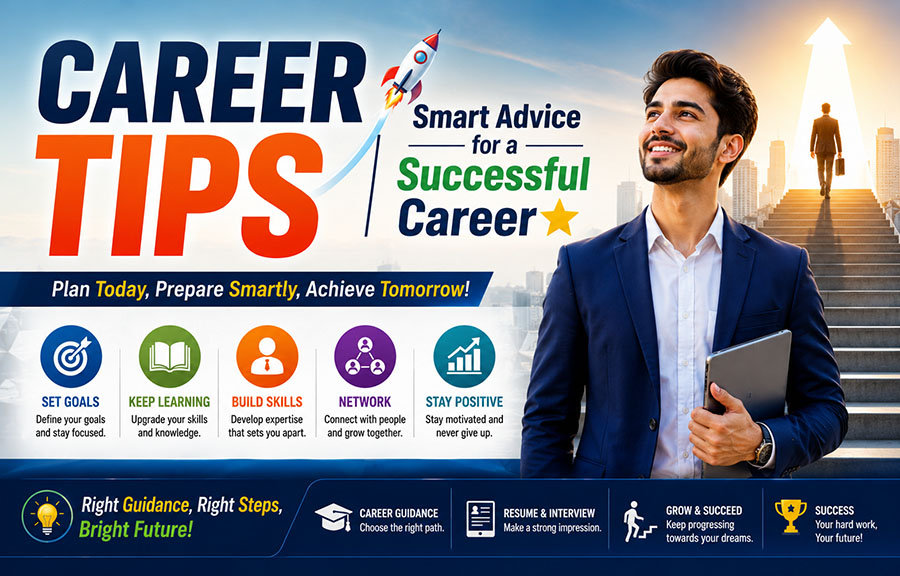
This guide shares practical education and career tips for professionals who want to strengthen their skills, plan their next move and stay prepared for changing workplace expectations. Use these ideas to create a learning routine that fits your career goals and your available time.
1. Start With a Clear Career Direction
Career development becomes easier when you know what you are working toward. Your next goal could be a promotion, a new role, a management position, a career change or deeper expertise in your current field.
Write down the role or level you want to reach, then identify the skills, experience and qualifications commonly expected for that path. This gives your learning efforts a practical purpose.
Career growth is not about learning everything. It is about learning what helps you move toward the professional future you want.
2. Make Upskilling Part of Your Routine
Professional learning does not have to mean returning to college for a full-time programme. Short courses, workshops, professional communities, books, webinars, tutorials and workplace projects can all contribute to skill development.
Choose one priority skill at a time. A focused learning routine of a few hours each week is often easier to maintain than trying to study several subjects at once.
3. Choose Certifications for a Real Career Purpose
Certifications can be useful when they match your target role or industry. Before enrolling, review the syllabus, assessment method, recognition, practical value, cost and time commitment.
Do not collect certificates simply to make your resume longer. Whenever possible, combine a qualification with a project or workplace example that shows how you can apply what you learned.
4. Build Skills That Employers Can See
Knowledge becomes more valuable when you can demonstrate it. If you learn data analysis, create a useful dashboard. If you study project management, document a project plan. If you improve presentation skills, prepare a professional presentation.
Practical examples make your capabilities easier to explain during interviews, appraisals and career discussions.
- Choose a skill connected to your current or target role.
- Practise it through a realistic project or workplace task.
- Document the result and what you learned.
- Keep suitable examples in a professional portfolio.
5. Strengthen Communication and Workplace Skills
Technical knowledge is only one part of professional success. Clear writing, active listening, presentations, teamwork, problem-solving, negotiation and time management are useful across many industries.
Practise explaining complex ideas in simple language. Learn to write concise emails, prepare clear meeting notes and communicate expectations before a project becomes confusing.
6. Become Comfortable With AI and New Workplace Tools
AI and digital tools are changing how many professionals research, write, analyse information and manage routine tasks. You do not need to become an AI specialist to benefit from understanding how these tools can support your work.
Learn the tools relevant to your profession, verify important information and follow your employer's policies regarding confidential data. Good professional judgement remains important even when technology can complete part of a task.
7. Improve Your Resume With Results
A strong resume should make it easy for a reader to understand what you have done and the value you created. Instead of listing responsibilities alone, describe meaningful outcomes where possible.
Use clear language to explain projects, improvements, responsibilities and measurable results. Keep the information relevant to the role you are applying for and review the document regularly as your experience grows.
8. Prepare for Modern Job Interviews
Interview preparation should go beyond memorising standard answers. Study the role, understand the organisation, review your own experience and prepare examples that demonstrate how you handled real situations.
A useful approach is to explain the situation, your responsibility, the action you took and the result. Be honest about challenges and be ready to discuss what you learned from them.
9. Build a Professional Online Presence
Your professional profile should communicate the same career story as your resume. Keep your headline, skills, experience and project information current and relevant to the direction you want to pursue.
Share useful professional knowledge when you have something meaningful to contribute. A thoughtful profile and genuine professional activity can make it easier for colleagues, recruiters and industry contacts to understand your expertise.
10. Plan a Career Change Carefully
A career change does not always require starting from zero. Many professionals already have transferable skills in communication, operations, customer service, sales, project coordination, leadership or analysis.
Map your existing strengths against the requirements of your target field. Then identify the gaps, build relevant experience and speak with people who understand the profession before making major decisions.
11. Develop Leadership Skills Before You Get the Title
Leadership can be demonstrated through behaviour, not only through a formal designation. Take responsibility for outcomes, help colleagues, communicate clearly, resolve problems and learn to make decisions with appropriate information.
If you want to move into management, start developing skills such as delegation, feedback, conflict resolution, coaching and prioritisation before the promotion opportunity arrives.
12. Create a 90-Day Career Development Plan
A short, measurable plan can turn career intentions into consistent action. Review the plan every few weeks and adjust it when your priorities change.
- Month 1: Choose one career goal and identify the most important skill gap.
- Month 2: Complete structured learning and apply the skill to a practical project.
- Month 3: Document your results, update your professional profile and decide the next learning priority.
Common Career Development Mistakes to Avoid
- Learning without a clear connection to your career objective.
- Collecting certificates without developing practical ability.
- Waiting until a job search begins before updating your resume.
- Ignoring communication, teamwork and leadership skills.
- Comparing your career timeline with someone else's journey.
- Trying to master too many skills at the same time.
- Failing to record important achievements as they happen.
Frequently Asked Questions
What should professionals learn to improve their career?
Start with skills that are relevant to your current role or the next role you want. Depending on the profession, these may include digital skills, data literacy, communication, project management, leadership, AI awareness or specialised industry knowledge.
Is a degree necessary for career growth?
It depends on the profession and the role. Some careers require specific academic qualifications, while others place greater emphasis on skills, experience, portfolios and professional certifications. Check the requirements of the roles you are targeting.
How can I study while working full-time?
Choose a realistic schedule. Even 20–30 minutes on several days each week can create progress when learning is focused and consistent. Use weekends for deeper project work when necessary.
How often should I update my resume?
Review it whenever you gain a significant skill, complete a project, change responsibilities or achieve a measurable result. Keeping it current makes future applications easier.
Final Thoughts
Education does not stop when formal studies end. Every project, challenge, course, conversation and new responsibility can become part of your professional learning journey.
Choose a clear goal, develop relevant skills, practise what you learn and keep evidence of the value you create. With a consistent approach, career development becomes an ongoing process rather than something you think about only when you need a new job.