
Travel Tips for Smart, Safe & Memorable Trips
India is one of the world's most diverse travel destinations, offering an extraordinary mix of ancient heritage, vibrant cities, mountains, beaches, forests, wildlife, spirituality, food and living traditions. From Himalayan landscapes and desert forts to tropical backwaters and historic monuments, every region has a different story to tell.
Travel in India is not only about ticking famous places off a list. The most memorable journeys often come from experiencing local food, meeting people, exploring old markets, watching traditional art, walking through historic neighbourhoods and taking time to understand the culture of a destination.
1. Why India Is a Unique Travel Destination
India brings together an exceptional variety of landscapes and experiences within one country. Travellers can move from snow-covered Himalayan regions to tropical coastlines, from royal palaces to ancient pilgrimage centres and from busy metropolitan cities to quiet villages and nature reserves.
The country's cultural diversity adds another layer to travel. Languages, cuisines, architecture, festivals, clothing and traditions change from region to region, making even a familiar destination feel different when explored more deeply.
Travel across India is a journey through landscapes, history, flavours and human stories—not simply a visit to a collection of places.
2. Delhi – History, Heritage and Modern India
Delhi is a natural starting point for many India trips and offers a fascinating contrast between historic monuments and modern urban life. The Red Fort, Qutub Minar, Humayun’s Tomb, India Gate and the city's old neighbourhoods reveal different chapters of the capital's history.
Delhi is also a destination for food lovers, with everything from traditional street food to contemporary restaurants. Exploring Old Delhi, visiting museums and discovering local markets can make a short city break surprisingly rich.
3. Agra – The Taj Mahal and Mughal Heritage
Agra is internationally known for the Taj Mahal, one of India's most recognisable monuments and a UNESCO World Heritage Site. The city also offers other important heritage attractions, including Agra Fort and historic neighbourhoods connected with the Mughal era.
For a more complete experience, travellers can combine the Taj Mahal with local food, traditional crafts and nearby heritage destinations instead of treating Agra as a one-monument stop.
4. Rajasthan – Forts, Palaces and Desert Experiences
Rajasthan is ideal for travellers interested in royal history, architecture, colourful markets and desert landscapes. Jaipur, Udaipur, Jodhpur, Jaisalmer, Pushkar and other destinations offer distinct experiences shaped by centuries of regional history.
Visitors can explore grand forts, palace complexes, traditional handicrafts, local cuisine and desert villages. Rajasthan is especially appealing for travellers who enjoy photography, heritage walks and cultural experiences.
5. Varanasi – Spirituality Along the Ganga
Varanasi is one of India's most distinctive cultural and spiritual destinations. The ghats along the Ganga, narrow old-city lanes, temples, music traditions and evening rituals create an atmosphere that is difficult to replicate anywhere else.
A thoughtful visit is about more than sightseeing. Travellers can explore the city's history, local cuisine, crafts and daily life while respecting the religious significance of the ghats and ceremonies.
6. Kerala – Backwaters, Beaches and Wellness
Kerala is famous for its backwaters, lush landscapes, beaches, traditional cuisine and wellness experiences. Alleppey, Kumarakom, Kochi, Munnar, Wayanad and Kovalam offer different ways to explore the state.
A houseboat journey through the backwaters can be relaxing, while hill destinations provide tea gardens and cooler landscapes. Kerala is also known for Ayurveda, local seafood and rich cultural traditions.
7. Goa – Beaches, Heritage and Coastal Life
Goa is best known for its beaches, but the destination offers much more than a seaside holiday. Historic churches, Portuguese-influenced architecture, local markets, villages, food and coastal landscapes provide plenty of reasons to explore beyond the busiest beach areas.
Travellers can combine relaxation with heritage visits, local cuisine, nature activities and quieter coastal experiences. Respecting beaches and local communities is an important part of responsible travel.
8. Himachal Pradesh – Mountains and Hill Escapes
Himachal Pradesh is a popular destination for mountain lovers, families, nature enthusiasts and adventure travellers. Shimla, Manali, Dharamshala, Dalhousie and several smaller towns offer scenic valleys, forests, mountain views and opportunities for outdoor activities.
Travellers looking for a quieter experience can explore lesser-known villages and walking routes while supporting local homestays and businesses. Weather and road conditions should always be considered when planning mountain travel.
9. Uttarakhand – Nature, Adventure and Spiritual Journeys
Uttarakhand combines Himalayan scenery with pilgrimage traditions and outdoor adventure. Rishikesh, Haridwar, Mussoorie, Nainital, Auli and several mountain communities attract travellers throughout the year.
Depending on the destination and season, visitors can enjoy trekking, rafting, yoga, wildlife experiences, scenic drives and spiritual journeys. Responsible tourism is particularly important in fragile mountain environments.
10. Jammu, Kashmir and Ladakh – Dramatic Himalayan Landscapes
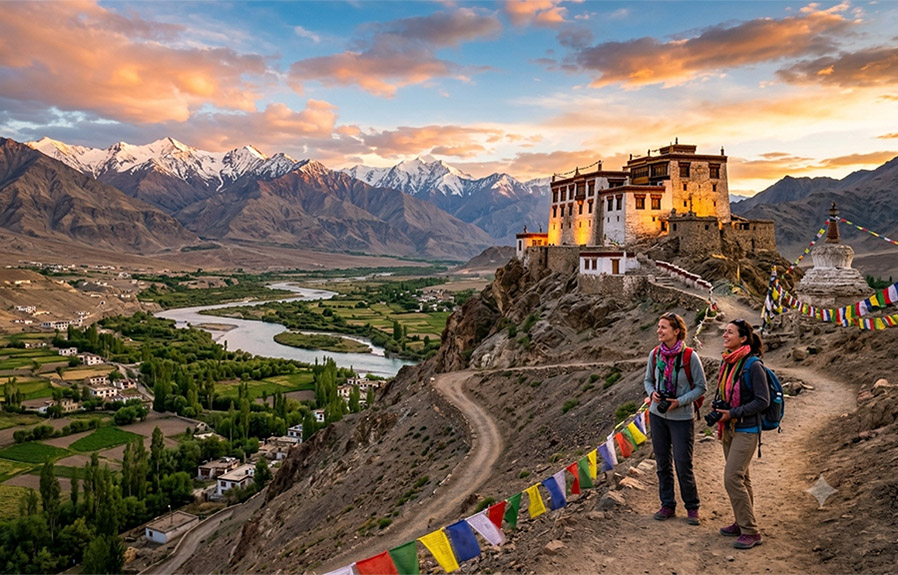
The Himalayan region offers some of India's most striking scenery. Kashmir is known for lakes, gardens, valleys and mountain landscapes, while Ladakh is famous for high-altitude terrain, monasteries, dramatic roads and unique local culture.
Because high-altitude travel can be physically demanding, visitors should plan gradually, stay hydrated and allow time to adjust. Respecting local traditions and fragile ecosystems makes the journey more rewarding.
11. Northeast India – Culture and Natural Beauty
Northeast India offers an extraordinary combination of mountains, forests, wildlife and distinctive cultural traditions. Meghalaya, Assam, Sikkim, Arunachal Pradesh, Nagaland, Mizoram, Manipur and Tripura each have their own landscapes and local identities.
Shillong, Tawang, Kaziranga, Gangtok and many lesser-known destinations appeal to travellers looking for nature, indigenous cultures, food, festivals and experiences away from conventional tourist routes.
12. South India – Temples, Heritage and Coastal Experiences
South India offers a deep mix of architecture, spirituality, cuisine, classical arts and coastal landscapes. Tamil Nadu is renowned for its monumental temples, Karnataka combines historic sites with modern cities and natural attractions, while Andhra Pradesh and Telangana offer their own rich cultural and culinary experiences.
Travellers can create journeys around heritage, food, beaches, wildlife, spirituality or architecture. Taking time to explore local markets and regional food can add a memorable personal dimension to a South India trip.
13. Maharashtra – Cities, Caves and Coastal Getaways
Maharashtra brings together Mumbai's energetic urban culture, historic forts, ancient cave complexes, hill stations and Konkan's coastal landscapes. Mumbai itself is known for its architecture, food, cinema and fast-moving city life.
Beyond Mumbai, destinations such as Pune, Nashik, Aurangabad, the Konkan coast and several hill regions offer opportunities for heritage, food, nature and weekend travel.
14. Wildlife Tourism in India
India is home to a wide range of ecosystems and wildlife habitats. National parks and wildlife reserves provide opportunities to see animals such as tigers, elephants, rhinoceroses, lions, leopards, deer and many species of birds.
Wildlife tourism should always prioritise conservation and animal welfare. Visitors should follow park rules, maintain safe distances, avoid loud behaviour and never disturb wildlife for photographs.
15. Beaches and Coastal Tourism
India's long coastline offers a wide variety of beach experiences, from popular destinations in Goa and Kerala to quieter stretches along Odisha, Karnataka, Tamil Nadu, Maharashtra and the islands.
Coastal travel can include swimming, local seafood, water activities, heritage walks and relaxing sunsets. Travellers should follow local safety advice, especially around tides, currents and seasonal weather conditions.
16. Adventure Tourism in India
India offers adventure experiences for different comfort levels. Trekking, river rafting, skiing, paragliding, scuba diving, mountain biking and camping are available in different regions and seasons.
Adventure travel should be planned with qualified operators and suitable equipment. Weather, altitude, physical fitness and local safety instructions should always be taken seriously.
17. Food Tourism – Discover India Through Flavours
Indian food changes dramatically across regions, making cuisine one of the best ways to understand the country. North Indian breads and curries, South Indian dosa and idli, Bengali seafood, Gujarati dishes, Rajasthani specialities, Kashmiri flavours and Northeast cuisine all tell different cultural stories.
Travellers can explore local markets, traditional restaurants, street-food areas and regional cooking experiences. Trying local dishes with an open mind can turn an ordinary trip into a memorable culinary journey.
18. Spiritual and Pilgrimage Tourism
India is home to important destinations associated with Hinduism, Buddhism, Sikhism, Jainism, Islam and Christianity. Varanasi, Amritsar, Bodh Gaya, Ajmer, Rameswaram, Tirupati, Mathura and many other destinations attract travellers seeking spiritual, cultural and historical experiences.
Pilgrimage travel should be approached respectfully. Visitors should understand local customs, follow dress and photography rules and remember that many heritage sites remain active places of worship.
19. Heritage Tourism and Historic Cities
India's forts, palaces, caves, museums, old cities and archaeological sites preserve stories from different periods of the country's past. Heritage destinations can be found across almost every region, from Delhi and Agra to Hampi, Khajuraho, Ahmedabad and Bhubaneswar.
Exploring heritage responsibly means protecting monuments, avoiding litter, following visitor restrictions and supporting local guides and craftspeople. A good heritage visit combines curiosity with respect for the place and its people.
20. Sustainable and Responsible Tourism in India
Popular destinations can face pressure from traffic, waste, water consumption and overcrowding. Travellers can make a positive difference by reducing single-use plastic, conserving water, using local services and avoiding damage to natural or historic places.
Choosing locally owned accommodation, guides, restaurants and handicrafts can also help tourism income reach communities. Responsible travel is not about giving up comfort; it is about making thoughtful choices that protect destinations for the future.
How to Plan a Memorable India Trip
Start by deciding what kind of experience you want: heritage, mountains, beaches, wildlife, spirituality, food, adventure or a relaxed family holiday. India is too large to cover meaningfully in one trip, so choosing a region and travelling at a comfortable pace is usually more rewarding.
Check seasonal weather, local transport, accommodation, entry requirements and destination-specific rules before travelling. Keep some flexibility in your itinerary, especially when visiting mountain areas or planning trips around festivals and busy holiday periods.
Frequently Asked Questions
What are the best places to visit in India?
Popular choices include Delhi, Agra, Rajasthan, Goa, Kerala, Varanasi, Himachal Pradesh, Uttarakhand, Kashmir, Ladakh, Northeast India and major heritage destinations across South India.
What type of tourism is popular in India?
India offers heritage, cultural, spiritual, wildlife, adventure, beach, wellness, food, rural and nature tourism, so travellers can choose experiences based on their interests.
How can I choose the right destination in India?
Consider your travel season, budget, available days, preferred experiences and transportation. Choosing one region rather than trying to cover too much usually creates a more enjoyable trip.
Is India suitable for family travel?
Yes. Many destinations offer family-friendly attractions, cultural experiences, nature trips and comfortable accommodation. The best itinerary depends on children's ages, travel time and weather.
What is responsible tourism?
Responsible tourism means respecting local people and traditions, protecting nature and heritage, reducing waste and supporting local communities and businesses.
Why is India good for cultural tourism?
India combines ancient heritage, living traditions, regional cuisines, festivals, architecture, music, dance, crafts and diverse communities, creating many opportunities for meaningful cultural experiences.
Final Thoughts
Travel and tourism in India offer far more than famous landmarks. The real richness of a journey often appears in the conversations, flavours, landscapes, traditions and everyday moments discovered along the way.
Whether you are planning a family holiday, a spiritual journey, an adventure trip, a heritage tour or a quiet escape into nature, India offers countless possibilities. Travel with curiosity, respect and a willingness to explore beyond the obvious, and every journey can become a story worth remembering.