
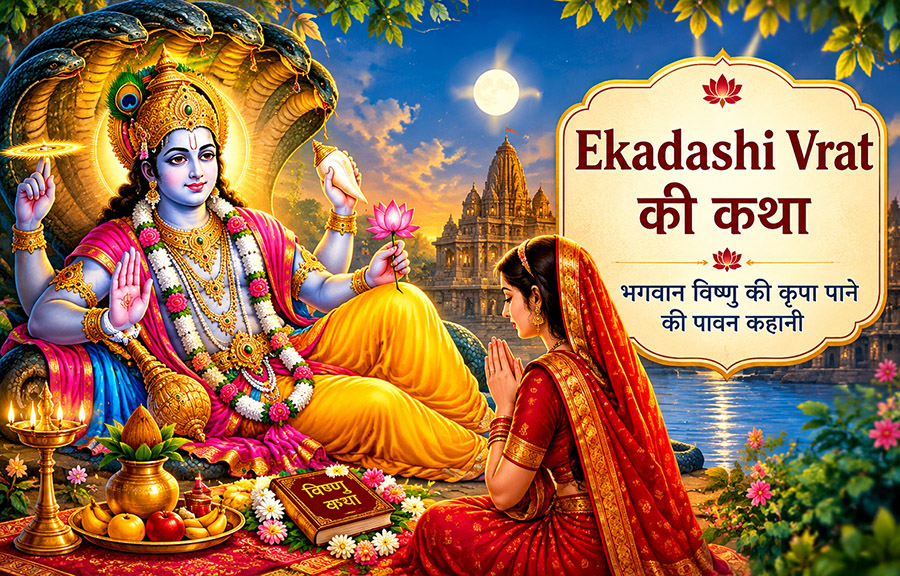
Ekadashi Vrat Guide: Meaning, Spiritual Importance, Fasting Rules and 24 Ekadashi Names
Ekadashi Vrat is a sacred Hindu observance dedicated especially to Lord Vishnu. Ekadashi means the eleventh lunar day (tithi) of each waxing and waning fortnight. Many devotees observe the day through prayer, fasting or mindful eating, reading devotional texts, charity, and self-discipline. For many families, it is a chance to slow down, reflect, and give more attention to spiritual life.
Ekadashi dates follow the Hindu lunar calendar, so the Gregorian date changes from year to year and may vary by location and calendar tradition. This guide explains the meaning of Ekadashi, simple ways to observe it, and how many Ekadashis are generally found in a year.
What Is Ekadashi Vrat?
In the Hindu calendar, each lunar month has two fortnights: Shukla Paksha, when the moon waxes, and Krishna Paksha, when it wanes. The eleventh tithi in each fortnight is called Ekadashi. As a result, a typical lunar year has 24 regular Ekadashi observances—usually two in each lunar month.
When an additional lunar month, known as Adhik Maas or Purushottam Maas, occurs, two more Ekadashis may be observed. That means some Hindu lunar years have 26 Ekadashis. The exact dates and names should be checked against a reliable local panchang.
Why Is Ekadashi Spiritually Important?
Ekadashi is widely associated with devotion to Lord Vishnu, who is revered as the preserver in Hindu tradition. Devotees may use the day to practise restraint, recite Vishnu mantras, read sacred stories, visit a temple, or offer food and other help to people in need. The purpose is not simply to avoid certain foods; it is to cultivate sincerity, compassion, and control over habits.
- Devotion: Spend time in prayer, japa, bhajan, or reading a sacred text.
- Self-discipline: Make a thoughtful choice about food, speech, and daily habits.
- Compassion: Help someone, donate according to your means, or offer food where appropriate.
- Reflection: Reduce distractions and focus on gratitude, patience, and positive conduct.
How Many Ekadashis Are There in a Year?
There are normally 24 Ekadashis in a Hindu lunar year, because each of the 12 lunar months contains one Ekadashi in Shukla Paksha and one in Krishna Paksha. In a year that includes Adhik Maas, the total can rise to 26. Regional calendars and observance traditions can differ in how dates and names are presented.
The following are commonly used names for the 24 regular Ekadashis. Names and their month-wise placement may differ by regional panchang, so treat this as a general reference rather than a date calendar.
- Utpanna Ekadashi
- Mokshada Ekadashi
- Saphala Ekadashi
- Putrada Ekadashi (Paush)
- Shattila Ekadashi
- Jaya Ekadashi
- Vijaya Ekadashi
- Amalaki Ekadashi
- Papamochani Ekadashi
- Kamada Ekadashi
- Varuthini Ekadashi
- Mohini Ekadashi
- Apara Ekadashi
- Nirjala Ekadashi
- Yogini Ekadashi
- Devshayani Ekadashi
- Kamika Ekadashi
- Shravana Putrada Ekadashi
- Aja Ekadashi
- Parivartini (Parsva) Ekadashi
- Indira Ekadashi
- Papankusha Ekadashi
- Rama Ekadashi
- Prabodhini (Devutthana) Ekadashi
Note: The order above is a broad list of well-known names, not a fixed month-by-month sequence. Some traditions count or name particular Ekadashis differently, and Adhik Maas includes additional observances such as Padmini and Parama Ekadashi in commonly followed traditions.
Simple Ways to Observe Ekadashi Vrat
You do not need an elaborate arrangement to observe Ekadashi meaningfully. Customs vary between families and sampradayas, so follow the practice you have been taught and what is safe and suitable for you.
- Begin with a clear intention: Take a moment to pray and decide how you will observe the day.
- Keep your routine simple: Bathe, wear clean clothes, and make a small prayer offering at home or at a temple.
- Remember Lord Vishnu: Chant “Om Namo Bhagavate Vasudevaya,” recite Vishnu Sahasranama if familiar, or listen to devotional bhajans.
- Choose an appropriate food observance: Depending on your tradition, you may fast, eat fruits and milk, or have a simple vrat meal.
- Practise kindness: Avoid harsh speech, arguments, and unnecessary distractions; help others where possible.
- Plan the next morning: Learn the correct Parana time from a trusted local panchang before the vrat begins.
Ekadashi Fasting Rules: Choose a Safe Practice
Some devotees observe a complete fast, while others take water, fruit, milk, or vrat-friendly foods. Certain traditions avoid grains and beans; ingredients such as sendha namak, sabudana, potatoes, or kuttu flour may be used according to family custom. There is no need to copy the strictest form of fasting to show devotion.
Health comes first. Children, older adults, pregnant or breastfeeding people, and anyone with diabetes, kidney disease, other medical conditions, or medicines that require food should seek appropriate medical advice before fasting. Do not stop prescribed medicine or restrict fluids against medical guidance. A prayerful observance without fasting is also an option.
A Simple Ekadashi Puja at Home
- Clean the prayer area and place an image or murti of Lord Vishnu, if available.
- Offer water, flowers, and tulsi leaves where customary and available.
- Light a diya safely and offer a short prayer with a calm mind.
- Repeat a Vishnu mantra, read a devotional passage, or listen to a katha.
- Conclude with gratitude and a commitment to act with kindness and honesty.
These are simple suggestions, not compulsory steps. Follow your household tradition, and never leave a lit diya unattended.
What Is Ekadashi Parana?
Parana means breaking the fast after the Ekadashi observance, generally on the following Dwadashi tithi during the prescribed time window. The correct Parana time depends on the local sunrise, tithi, and panchang calculations. Check a trusted calendar for your city rather than relying on a date alone. If a fast is not suitable for your health, do not delay necessary food or medication just to follow a timing rule.
What Happens to Ekadashi in Adhik Maas?
Adhik Maas is an additional lunar month that periodically keeps the lunar calendar aligned with the solar year. When it occurs, two additional Ekadashi observances may be included, often known as Padmini Ekadashi and Parama Ekadashi. Because the extra month does not occur every year, the annual total is commonly 24, and 26 in a year with Adhik Maas.
Frequently Asked Questions About Ekadashi Vrat
Is Ekadashi observed every month?
Yes. In a typical lunar month there are two Ekadashis: one during Shukla Paksha and one during Krishna Paksha.
Are there 24 or 26 Ekadashis in a year?
Usually there are 24. When Adhik Maas occurs, the year may include 26 Ekadashi observances. Check a panchang for the relevant lunar year and location.
Can I observe Ekadashi without fasting?
Many people choose prayer, mantra recitation, reading, charity, and mindful conduct without a food fast. Follow your tradition and consider your health needs.
Can I drink water during Ekadashi fast?
Practices differ. Some observe a waterless fast, while others drink water or take fruit and other foods. Choose a safe practice and do not risk dehydration or disregard medical advice.
How do I find the correct Ekadashi date and Parana time?
Use a trusted local Hindu panchang or temple calendar for your city. Tithi timings and Parana windows can vary by location and tradition.
Final Thoughts: Observe Ekadashi With Faith and Balance
Ekadashi Vrat offers devotees a regular opportunity to pause, pray, practise self-discipline, and remember Lord Vishnu. A simple observance carried out with sincerity can be more meaningful than an elaborate routine followed under pressure. Learn the date from a reliable panchang, respect your family's tradition, and keep your health and responsibilities in mind.
Editorial note: This article offers general cultural and devotional information. Ekadashi names, dates, rituals, and Parana timings can vary by region and tradition; consult a trusted local panchang or temple for specific observance details.