
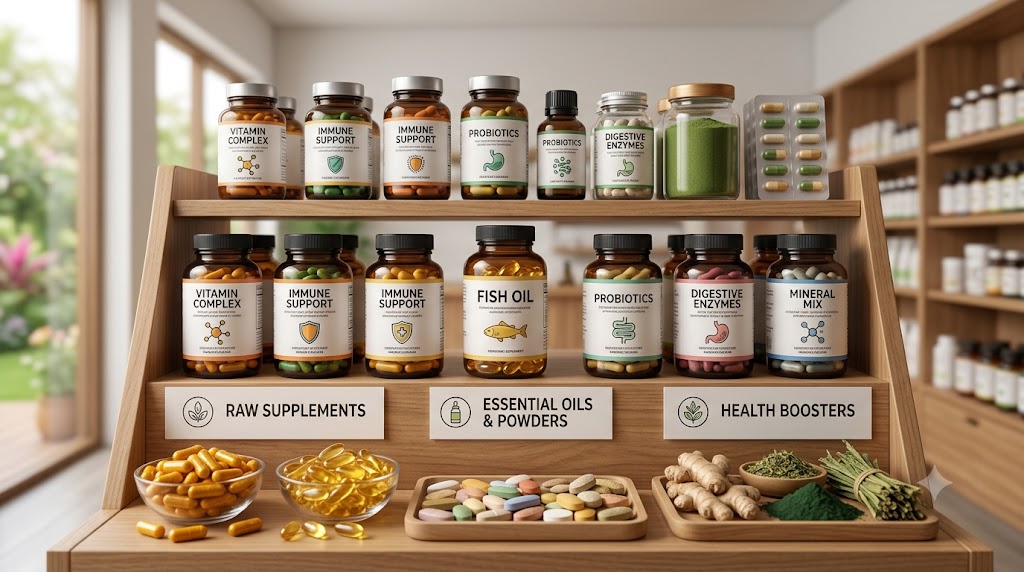
Essential Vitamins and Supplements: Practical Fuel for Everyday Vitality
When work, family, and daily responsibilities compete for attention, nutrition can become an afterthought. Vitamins and minerals help the body carry out essential jobs—from supporting normal immune function and energy metabolism to maintaining bones, blood cells, and healthy nerves. Supplements can be useful in some situations, but they are not a shortcut to good health and they do not replace balanced meals, sleep, movement, or medical care.
The most practical approach is to understand what nutrients do, build a varied food routine, and use supplements only when there is a clear reason. Your needs depend on factors such as age, diet, health conditions, medicines, pregnancy, and life stage. This guide offers a simple starting point for making informed choices without falling for exaggerated claims.
Why Vitamins and Minerals Matter
Vitamins and minerals are micronutrients: the body needs them in relatively small amounts, but they play important roles in normal functioning. Vitamins are often grouped as fat-soluble (A, D, E, and K) or water-soluble (including vitamin C and the B vitamins). Minerals such as calcium, iron, zinc, iodine, and magnesium each have distinct functions.
No single vitamin provides complete nutrition, and taking more than you need does not automatically mean better results. Fatigue, hair changes, frequent illness, or other symptoms can have many causes; they should not be assumed to indicate a vitamin deficiency. If symptoms persist, speak with a qualified healthcare professional rather than trying to diagnose the problem with supplements alone.
1. Vitamin D: Supporting Bones and Muscle Function
Vitamin D helps the body absorb calcium and supports normal bone and muscle function. The body can make vitamin D through sunlight exposure, while some foods—such as oily fish, egg yolks, and fortified products—provide smaller or variable amounts. Sunlight needs differ with location, season, skin tone, clothing, and time spent outdoors, so there is no universal sun-exposure formula that suits everyone.
- Start with food and routine: Include vitamin-D-containing or fortified foods when they fit your diet.
- Ask whether testing is appropriate: A clinician can assess risk factors and decide if a blood test or supplement is needed.
- Avoid high-dose guesswork: Too much vitamin D from supplements can be harmful. Follow professional advice and product directions.
2. B Vitamins: Turning Food into Usable Energy
B vitamins help the body use nutrients and support functions such as red blood cell formation and normal nerve function. Vitamin B12 deserves particular attention because it is found naturally mainly in animal-derived foods, while some plant-based foods are fortified with it. People who follow vegan diets may need a reliable fortified source or supplement, and some people have difficulty absorbing B12 even when their diet contains it.
Folate (vitamin B9) is important for cell division and is especially important before and during early pregnancy. Anyone who may become pregnant should ask a healthcare professional about recommended folic acid supplementation. Do not rely on a general multivitamin to meet every individual need, especially when pregnancy planning or a diagnosed deficiency is involved.
3. Vitamin C: A Nutrient Best Found in Everyday Foods
Vitamin C supports collagen formation, helps the body absorb iron from plant foods, and contributes to normal immune function. Citrus fruits, guava, berries, tomatoes, peppers, and many other fruits and vegetables can help provide it. A colourful plate often delivers vitamin C alongside fibre, water, and other beneficial nutrients.
High-dose vitamin C supplements are not necessary for everyone and may cause digestive discomfort. If you have a medical condition or take regular medicines, check with a clinician or pharmacist before using large doses.
4. Calcium and Magnesium: Important Minerals for the Body
Calcium is needed for strong bones and teeth, and it also supports muscle contraction and nerve signalling. Dairy foods, calcium-fortified plant drinks, calcium-set tofu, and some leafy greens can contribute to intake. Magnesium supports many body processes, including muscle and nerve function, and can be found in nuts, seeds, legumes, whole grains, and leafy vegetables.
Food sources are a good starting point for most people. Calcium supplements can interfere with the absorption of certain medicines, while magnesium supplements may cause diarrhoea and can be risky for people with reduced kidney function. A pharmacist or healthcare professional can help you check whether a supplement is suitable and how to take it safely.
5. Iron and Zinc: Know When More Is Not Better
Iron helps carry oxygen in the blood. Iron needs vary, and deficiency can occur for several reasons, including blood loss, pregnancy, or low intake. Lentils, beans, tofu, meat, and iron-fortified foods are examples of dietary sources. Vitamin C-rich foods eaten alongside plant sources can improve iron absorption.
Iron tablets should not be taken casually: excess iron can be dangerous, especially for children, and fatigue alone does not prove that iron is low. A clinician may recommend tests before treatment. Zinc supports normal immune function, wound healing, and other processes, but too much over time can affect copper levels and cause other problems. Follow recommended doses and seek advice if you suspect a deficiency.
6. Do You Need a Multivitamin?
A standard multivitamin may be helpful for some people whose diets are limited or whose nutrient needs are higher, but it is not a substitute for a varied eating pattern. The right choice depends on what you already get from food, fortified products, and any other supplements you use.
- Review your reason: Identify a specific dietary gap or discuss your needs with a qualified professional.
- Read the label: Check the amount of each nutrient, serving size, expiry date, and any added ingredients.
- Avoid stacking products: A multivitamin, separate vitamin tablets, and fortified drinks may duplicate the same nutrients.
- Be sceptical of bold promises: Products claiming to cure disease, guarantee energy, or deliver rapid transformations deserve caution.
7. Food-First Habits That Make Everyday Nutrition Easier
Supplements may fill a gap, but everyday meals provide a wider range of nutrients and other useful components. You do not need an expensive “superfood” shopping list. Start with accessible foods you enjoy and can afford.
- Eat a variety of colours: Include different vegetables and fruits across the week.
- Include protein foods: Beans, lentils, dairy, eggs, tofu, fish, meat, or other suitable choices can contribute key nutrients.
- Choose whole grains often: Oats, whole-wheat foods, millets, and other grains can add fibre and several B vitamins.
- Use nuts and seeds if suitable: They provide minerals and unsaturated fats; consider allergies and portion needs.
- Keep meals realistic: Frozen, canned, and fresh foods can all be part of a nourishing routine when prepared and stored safely.
8. How to Choose Supplements More Safely
Supplement quality and regulation vary by country and product category. Choose products with clear ingredient and dose information from a reputable manufacturer, and do not assume that a premium price means a better result. Quality seals or third-party testing can offer some information about manufacturing or contents, but they do not prove that a product works or is suitable for you.
- Tell your doctor or pharmacist about every supplement, herbal product, and medicine you take.
- Ask for professional advice before starting supplements during pregnancy or breastfeeding, for a child, or if you have liver, kidney, or other ongoing health conditions.
- Keep supplements in their original packaging and out of reach of children.
- Follow the label and professional advice; never double a dose to make up for a missed one.
- Stop and seek medical advice if you experience a suspected adverse reaction.
Some supplements interact with prescription medicines or affect medical tests and procedures. If you are scheduled for surgery or start a new medicine, mention your supplement use. Do not stop prescribed treatment or delay urgent care because of a product advertised online.
A Simple Daily Nutrition Checklist
Use this flexible checklist to build a steady routine. It is not a personalised diet plan, and it can be adapted to your culture, preferences, budget, and health needs.
- At meals: Aim for variety, with vegetables or fruit, a suitable protein source, and staple foods that provide energy.
- During the day: Drink fluids regularly and choose snacks such as fruit, yoghurt, nuts, or other options that suit you.
- When considering supplements: Write down what you want to address and check with a qualified professional whether supplementation is needed.
- When shopping: Compare nutrient amounts and avoid products with unclear labels or unrealistic claims.
- Over time: Review your needs when your diet, life stage, medicines, or health circumstances change.
Common Supplement Myths to Avoid
- “More vitamins mean more energy.” Extra amounts do not necessarily improve energy if you are not deficient; excess intake can be harmful.
- “Natural means completely safe.” Natural ingredients can still cause side effects or interact with medicines.
- “Everyone needs the same daily supplement.” Nutrient needs differ by age, diet, life stage, and health status.
- “Supplements can replace healthy meals.” They do not provide the full range of nutrients and food components found in a varied diet.
The Takeaway: Make Nutrition Practical, Not Complicated
Essential vitamins and minerals help the body work normally, but the best approach is not to collect more bottles. Start with varied meals, consistent habits, and reliable information. When there is a reason to consider a supplement, choose it thoughtfully and check that it fits your individual needs.
Your next step: Review your current food routine and any supplements you already take. If you have a restricted diet, ongoing symptoms, a diagnosed condition, or questions about a nutrient deficiency, speak with a qualified healthcare professional before starting a new product. Small, informed choices are a stronger foundation for everyday vitality than quick-fix promises.
Health note: This article is for general educational purposes only and is not medical advice. Nutrient requirements and supplement safety vary between individuals. Consult a qualified healthcare professional or pharmacist before starting, stopping, or changing supplements, especially if you take medicines, are pregnant or breastfeeding, or have an existing health condition.