
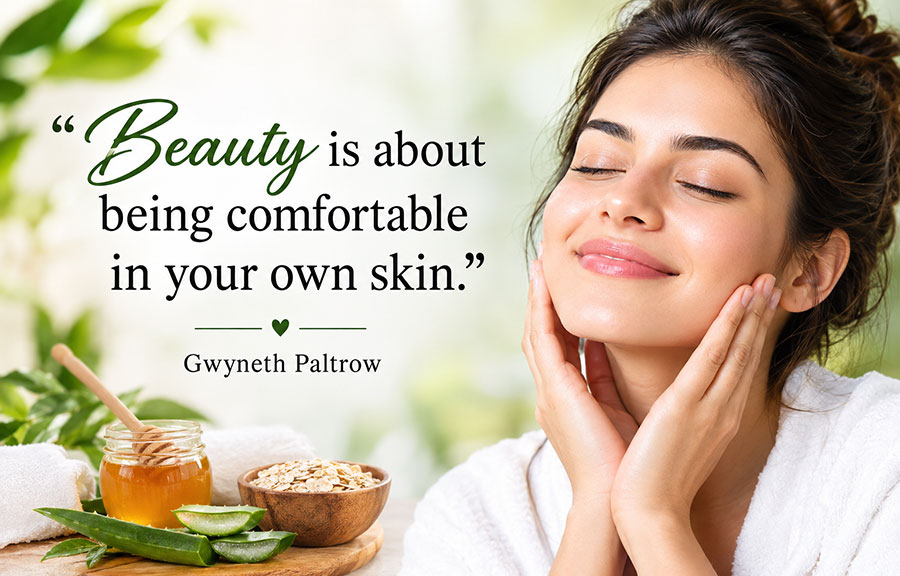
Best Homemade Face Masks for Pimples | Natural Skincare Tips
Pimples are one of the most common skin concerns, and they can appear at almost any age. Excess oil, clogged pores, dead skin cells, hormonal changes, stress, and certain skincare products can all contribute to breakouts. While a good skincare routine is important, some simple homemade face masks can help keep your skin feeling clean, fresh, and comfortable. The good news is that you don't always need expensive skincare products. Ingredients commonly found in your kitchen can be used to make simple face masks. However, natural does not automatically mean suitable for every skin type, so always patch-test a new ingredient first.
1. Honey Face Mask
Honey is a popular natural skincare ingredient because it helps keep the skin moisturized and has antimicrobial properties.
How to Make It
- Take 1 teaspoon of plain honey.
- Apply a thin layer to clean, dry skin.
- Leave it on for about 10–15 minutes.
- Rinse gently with lukewarm water.
“Invest in your skin. It is going to represent you for a very long time.” — Linden Tyler
2. Aloe Vera Face Mask
Aloe vera gel can provide a soothing and cooling feeling and may be useful for skin that becomes irritated or inflamed.
How to Make It
- Use pure aloe vera gel from a suitable skincare product.
- Apply a thin layer to clean skin.
- Leave it on for 10–15 minutes.
- Wash gently and pat your face dry.
- Follow developments and trends in your industry.
3. Oatmeal Face Mask
Oatmeal is a gentle ingredient that can help soothe irritated skin and support the skin barrier.
How to Make It
- Grind plain oats into a fine powder.
- Mix them with a little water to create a smooth paste.
- Apply gently to the face.
- Leave for around 10–15 minutes.
- Rinse without scrubbing.
4. Yogurt Face Mask
Plain yogurt contains lactic acid, an alpha-hydroxy acid that can gently exfoliate the skin. Because exfoliating ingredients can irritate some people, use this mask cautiously.
How to Make It
- Take 1–2 teaspoons of plain, unsweetened yogurt.
- Apply a thin layer to the face.
- Leave it on for about 5–10 minutes.
- Rinse thoroughly.
5. Green Tea Face Mask
Green tea contains antioxidants and compounds that may help calm the skin. It can be a simple addition to a gentle skincare routine.
How to Make It
- Brew plain green tea and allow it to cool completely.
- Mix a small amount with finely ground oats.
- Apply the mixture gently to your face.
- Leave it on for 10 minutes.
- Rinse with clean water.
Ingredients You Should Avoid on Pimples
Not every popular DIY skincare ingredient is safe for acne-prone skin. Avoid applying harsh substances such as lemon juice, baking soda, toothpaste, undiluted essential oils, or rough scrubs directly to pimples.
These ingredients can irritate the skin, damage the skin barrier, or make redness worse.
How to Use Homemade Face Masks Safely ?
Homemade masks should complement—not replace—a proper acne-care routine.
Practical tips:
- Always patch-test a new ingredient before using it on your face.
- Don't scrub active pimples.
- Use clean hands and clean mixing bowls.
- Avoid sharing homemade skincare mixtures.
- Don't use a mask if it causes burning, itching, or significant redness.
- Moisturize after washing your face.
- Use sunscreen during the daytime.
- Keep your regular cleanser gentle and non-comedogenic.
Can Homemade Face Masks Permanently Remove Pimples?
Homemade face masks cannot guarantee permanent acne removal. Acne can have several underlying causes, including hormones, genetics, excess oil production, and clogged pores.
For persistent, painful, severe, or scarring acne, it is better to consult a dermatologist. Evidence-based acne treatments can be much more effective than relying only on DIY remedies.
Final Thoughts
A simple skincare routine, a balanced lifestyle, and gentle ingredients can help you take better care of acne-prone skin. Honey, aloe vera, oatmeal, plain yogurt, and green tea are some commonly used ingredients, but what works for one person's skin may not work for another.The key is to keep your routine gentle, avoid harsh DIY treatments, and pay attention to how your skin responds. Healthy-looking skin comes from consistency—not from using the strongest ingredients.