
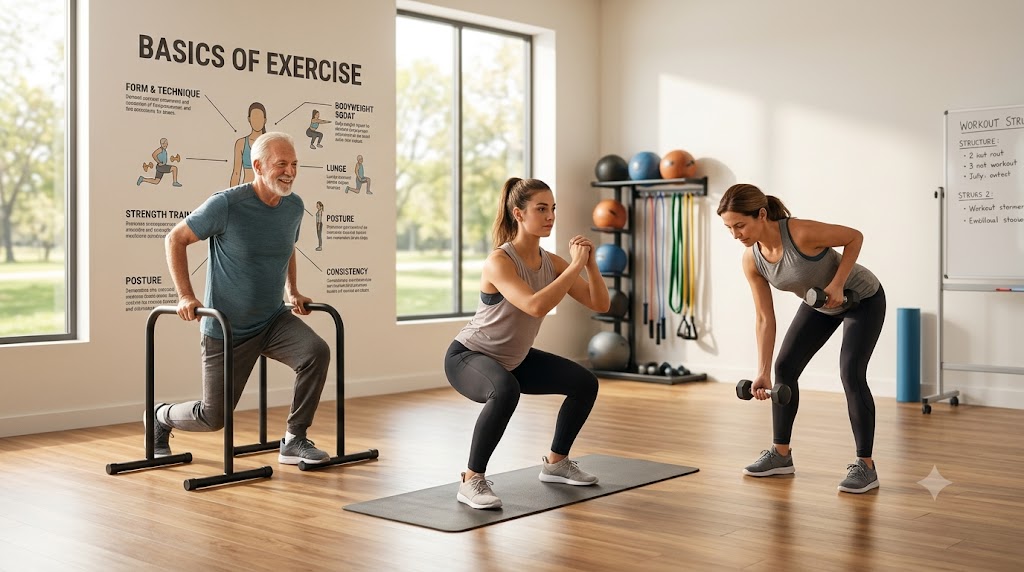
Master Exercise Basics: Simple Routines for Lasting Daily Energy
Want to feel more energetic but unsure where to begin? You do not need an expensive gym membership, complicated equipment, or a demanding workout plan to get moving. The most useful exercise routine is one that fits your current fitness level, works with your daily schedule, and feels realistic enough to repeat.
Exercise basics are the building blocks of a healthier, more active life. By combining everyday movement, simple strength exercises, aerobic activity, balance, and recovery, you can gradually build stamina and confidence. Start small, focus on good technique, and let consistency matter more than perfection.
Why the Basics of Exercise Matter
Regular physical activity supports overall health and can help improve heart and lung fitness, muscle strength, bone health, mood, sleep, and the ability to manage everyday tasks. It can also create a welcome break from long hours of sitting. You do not have to do everything at once: short periods of activity can be a practical starting point.
- More everyday energy: Gradually improving fitness can make walking, climbing stairs, and daily tasks feel more manageable.
- Stronger muscles and bones: Appropriate resistance exercises help develop strength for daily life.
- Heart health: Activities such as brisk walking, cycling, or dancing get your body moving and challenge your cardiovascular system.
- Mood and focus: Movement can be a useful way to refresh your mind and support emotional wellbeing.
- Healthy routines: A repeatable plan helps turn exercise into a regular part of life rather than an occasional effort.
Start with a Simple Beginner Workout
Choose a safe, uncluttered space and wear comfortable clothing and supportive footwear when appropriate. If you are new to exercise, begin with a manageable amount and rest whenever you need to. Here is a simple routine you can adapt to your abilities.
1. Warm up for 3–5 minutes
Start with easy walking in place, relaxed marching, gentle arm circles, or a slow walk around your home. A warm-up gradually prepares your body for movement. Keep the pace comfortable and increase it only if you feel ready.
2. Try sit-to-stand practice
Use a stable chair placed against a wall. Sit with your feet about hip-width apart, lean forward slightly, and stand up using your legs. Sit back down with control. Use your hands for support if needed, and begin with a few comfortable repetitions rather than pushing to fatigue.
3. Add wall push-ups
Stand facing a wall with your hands at about shoulder height. Keep your body in a straight, comfortable line as you bend your elbows to bring your chest closer to the wall, then press back. Move slowly and stop if you feel pain in your wrists, shoulders, or chest.
4. Walk at a comfortable pace
Walking is an accessible way to practise aerobic activity. Begin with a short walk that suits your current fitness, even if it is only five or ten minutes. As it becomes easier, gradually add time or pick up the pace a little while still being able to speak.
5. Practise supported balance
Stand near a sturdy counter or chair and hold it lightly. Shift your weight from one foot to the other, or try briefly lifting one heel while keeping both hands close to support. Prioritise stability over difficulty, and skip any movement that feels unsafe.
6. Finish with a gentle cool-down
Slow your walking pace for a few minutes and let your breathing settle. You may finish with comfortable stretches for the calves, thighs, chest, and shoulders. Avoid bouncing or forcing a stretch; it should not cause sharp pain.
Build a Balanced Weekly Fitness Routine
A balanced routine includes more than one kind of movement. Many adults can work toward public-health guidance of at least 150 minutes of moderate-intensity aerobic activity each week, plus muscle-strengthening activities on two or more days. These are general targets, not a requirement to start at full volume. Some activity is better than none, and the right starting point depends on your health and current fitness.
- Aerobic activity: Brisk walking, cycling, swimming, dancing, or other activities that raise your breathing rate.
- Strength training: Beginner-friendly bodyweight exercises, resistance bands, or weights used with safe technique.
- Flexibility and mobility: Gentle movements that help you work comfortably through your available range of motion.
- Balance: Supported balance practice can be especially useful as part of an age-appropriate routine.
- Recovery: Rest, sleep, hydration, and easier days help you manage your training load.
How to Make Exercise a Daily Habit
Connect movement to something you already do. Walk after lunch, take the stairs when suitable, stretch after a long period at your desk, or schedule a short session before your day gets busy. Put comfortable shoes where you can see them and choose a specific time that usually works for you.
Keep the first goal small enough to achieve. For example, try a ten-minute walk three days this week or complete a short strength routine twice. Track how often you show up rather than judging every session by calories burned or how hard it felt. When the habit becomes easier, increase the duration or challenge gradually.
Common Beginner Exercise Mistakes to Avoid
- Doing too much too soon: A sudden jump in intensity or duration can leave you overly sore and make it harder to continue.
- Skipping the warm-up: Begin with easier movements before increasing effort.
- Ignoring technique: Move in a controlled way and choose variations you can perform comfortably.
- Comparing yourself with others: Your starting point, schedule, and body are your own; progress at a suitable pace.
- Forgetting recovery: Allow time to rest and avoid training hard through persistent pain or unusual fatigue.
Exercise Safely at Your Own Pace
Exercise should challenge you appropriately, not make you feel unsafe. Stop if you experience chest pain, faintness, severe or unusual breathlessness, or sudden concerning symptoms, and seek urgent medical help when appropriate. If you have a chronic health condition, a recent injury or surgery, balance difficulties, or have been inactive and are unsure how to begin, consult a qualified healthcare professional for personalised advice.
Drink water as needed, use equipment correctly, and choose a safe environment. Mild muscle effort can be expected, but sharp pain is not a goal. Adapt or skip any exercise that does not suit your body.
The Takeaway: Keep It Simple and Keep Going
You do not need a perfect workout plan to begin building lasting daily energy. Start with a warm-up, a few simple strength movements, a short walk, and a calm cool-down. Repeat a manageable routine, adjust it as your fitness improves, and celebrate the small steps that help you stay active.
Your first step today: Put on comfortable shoes and take a five-minute walk, or try a few supported sit-to-stands if walking is not suitable for you. Small, regular actions can become the foundation of a healthier routine.
Health note: This article is for general educational purposes and is not a personalised exercise prescription. Choose activities appropriate for your abilities and seek professional guidance if you are unsure what is safe for you.