
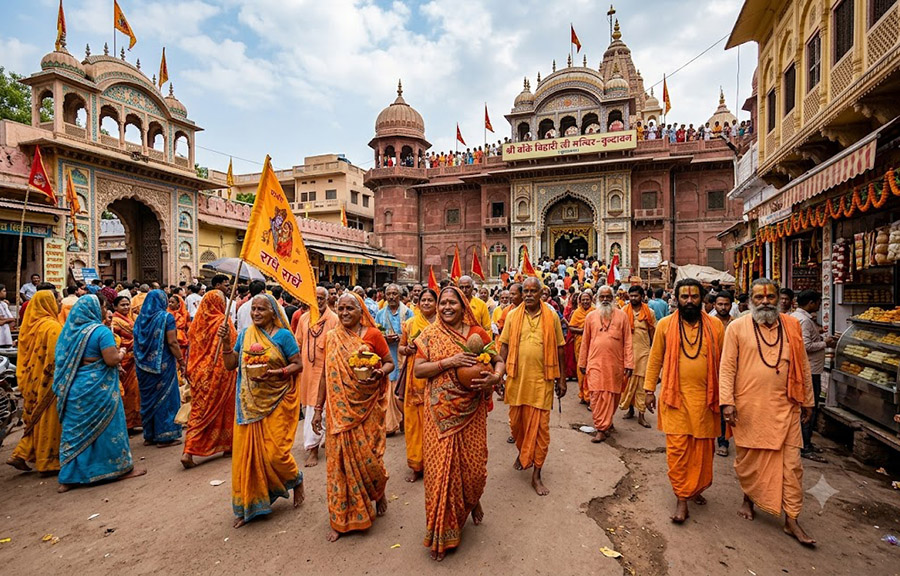
Mathura Vrindavan Tirth Yatra Guide 2026: Essential Temples, Itinerary & Travel Tips
Embarking on a Mathura Vrindavan Tirth Yatra is a deeply emotional and spiritual journey into the heart of Braj Bhoomi, the sacred land where Lord Krishna spent his childhood and divine youth. Every lane, riverbank, and temple here resonates with chants of 'Radhe Radhe', offering pilgrims an experience steeped in devotion, love, and ancient history.
Whether you are planning a weekend getaway or a comprehensive spiritual immersion, organizing your travel route thoughtfully ensures a peaceful pilgrimage. Temple darshan timings, crowd management during weekends, and local commute details can significantly shape your experience. This guide walks you through the essential shrines, recommended itineraries, and practical tips for your 2026 yatra.
Major Highlights of Mathura Yatra
Mathura, the birthplace of Lord Krishna, is home to historical temples that reflect ancient heritage and vibrant festivities.
- Sri Krishna Janmabhoomi Temple: Built over the actual prison cell where Lord Krishna was born, this complex draws devotees from around the globe.
- Dwarkadheesh Temple: Known for its striking Rajasthani architecture and lively celebrations during festivals like Janmashtami and Holi.
- Vishram Ghat: The central bathing ghat on the Yamuna River where Lord Krishna rested after defeating the tyrant Kansa. Don't miss the evening Yamuna Aarti.
Major Highlights of Vrindavan Yatra
Just a short drive from Mathura, Vrindavan is renowned for its playful pastimes (Leelas) of Lord Krishna and Radha Rani, featuring breathtaking shrines.
- Banke Bihari Temple: One of the most revered shrines housing the unique 'tribhanga' posture of Krishna. The curtains here are opened and closed frequently during darshan to symbolise divine glimpses.
- ISKCON Temple (Sri Krishna-Balarama Mandir): Famous for its serene atmosphere, melodious Kirtans, and global community of devotees.
- Prem Mandir: An architectural masterpiece carved from white Italian marble, beautifully illuminated with colorful lights at night, depicting scenes of Krishna's pastimes.
- Radha Raman Temple & Nidhivan: Places enveloped in mystical devotion, where it is believed divine leelas still occur every night.
Suggested 2-Day Itinerary for Mathura and Vrindavan
A well-paced two-day itinerary allows you to experience the core essence of Braj without feeling rushed:
- Day 1 (Mathura & Gokul): Arrive early in Mathura, check into your hotel, and begin with darshan at Sri Krishna Janmabhoomi. Proceed to the Dwarkadheesh Temple and spend your late afternoon taking a peaceful boat ride and witnessing the evening Aarti at Vishram Ghat.
- Day 2 (Vrindavan & Govardhan): Head to Vrindavan early morning for Mangala darshan at Banke Bihari Temple or visit the ISKCON Temple. Explore Prem Mandir and Nidhivan during the day. If time permits, conclude with a quick trip to Govardhan Hill for a parikrama or reverence.
“In Braj Bhoomi, every grain of dust carries the resonance of divine love. Walk slowly, chant softly, and let your heart absorb the peace.”
Best Time to Visit Mathura and Vrindavan
While pilgrims visit year-round, the ideal months are between October and March when the weather is pleasant and cool. Festivals like Janmashtami (August/September) and Holi (March) offer unmatched spiritual vibrancy, though they draw massive crowds requiring advanced planning for accommodation and transit.
What to Pack for Your Tirth Yatra
- Modest, comfortable clothing respectful of temple traditions (dhotis/kurtas or traditional suits work best).
- Slip-on shoes or sandals that are easy to remove frequently outside temple premises.
- A reusable water bottle and light dry snacks to stay energized during long queue waits.
- Personal medications, first-aid basics, and hand sanitizer.
- Cash for local auto-rickshaws, Prasad purchases, and donations, as digital payments may occasionally lag in crowded alleys.
Essential Travel & Darshan Tips
- Manage Your Footwear: Narrow lanes in Vrindavan (like around Banke Bihari) require extensive walking. Keep your shoes in designated shoe-keeping stands or carry a lightweight cloth bag to carry them.
- Beware of Monkeys: Vrindavan has a large population of macaques. Avoid carrying open food items, spectacles, or dangling accessories in your hands.
- Hire Local Auto-Rikshaws: Large cars and buses cannot enter the narrow lanes of old Vrindavan. Use local e-rickshaws or walking paths for internal navigation.
- Verify Timings: Most major temples close in the afternoon (typically between 12:00 PM and 4:00 PM) before reopening for evening aarti. Plan your meals and rest around these closures.
Frequently Asked Questions
How many days are enough for Mathura Vrindavan Yatra?
A 2 to 3-day trip is ideal to comfortably cover Mathura, Vrindavan, Govardhan, and Gokul without exhausting yourself.
How to reach Mathura and Vrindavan?
Mathura is a major railway junction well-connected by trains from Delhi, Agra, Mumbai, and Kolkata. The nearest airports are Agra (approx. 50 km) and Delhi (approx. 150 km).
What is the best way to travel between Mathura and Vrindavan?
Regular local buses, shared auto-rickshaws, and private cabs ply frequently between Mathura and Vrindavan, taking about 30 to 45 minutes.
Final Thoughts
A Mathura Vrindavan Tirth Yatra is more than a tour—it is an inner journey back to innocence, devotion, and divine surrender. Approach the trip with patience, respect local customs, and immerse yourself fully in the chants of 'Radhe Radhe'.