
Navratri Fasting: Meaning, Food Traditions, Prayer and Self-Discipline
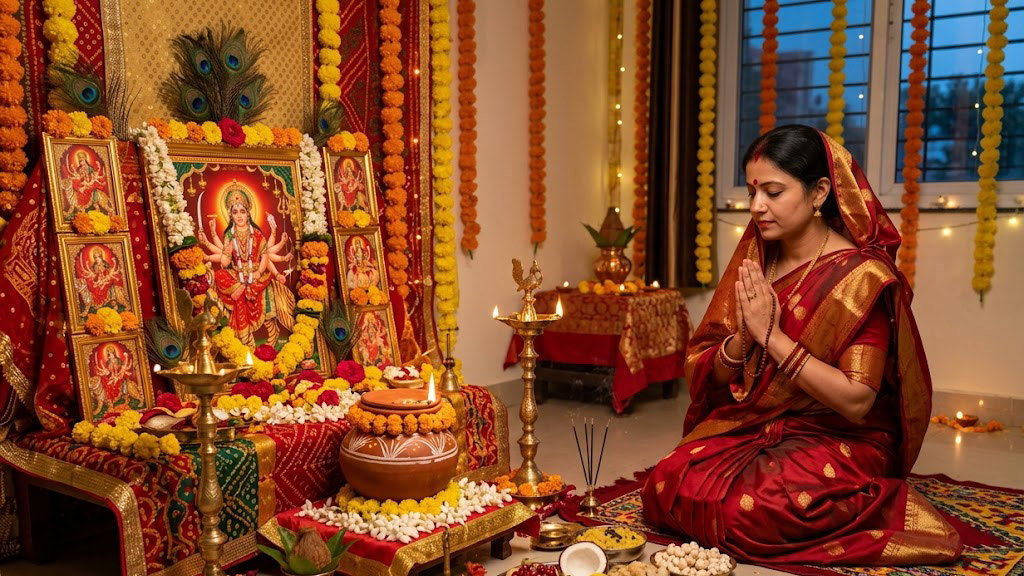
Navratri fasting is a devotional practice observed by many Hindus during Navratri, a festival dedicated to the worship of Goddess Durga and her forms. For some families, fasting is a way to express faith; for others, it is an opportunity to simplify meals, make time for prayer and practise self-discipline. Customs vary widely by region, family tradition and the particular Navratri being observed.
You do not need an elaborate routine to make the days meaningful. A clean prayer space, a few moments of sincere worship, considerate behaviour and food choices that suit your tradition can help you observe Navratri in a thoughtful, personal way.
What Is the Meaning and Significance of Navratri Fasting?
Navratri means “nine nights” and is associated with devotion to the Divine Feminine, especially Goddess Durga. During the festival, devotees may pray, visit temples, read devotional texts, sing bhajans or observe a vrat. Fasting is traditionally linked with restraint, focus and dedication, rather than simply avoiding particular foods.
For many people, the practice is also a reminder to be patient, grateful and mindful in everyday life. The exact rituals and the stories associated with each day differ across communities, so it is perfectly reasonable to follow the customs taught by your family or local temple.
Navratri Food Traditions: What Do People Eat During Vrat?
Vrat food rules are not the same everywhere. Some devotees avoid grains and certain ingredients, while others follow a simpler or partial fast. Common foods in many North Indian vrat traditions include fruits, milk, curd, potatoes, sweet potatoes, peanuts, makhana and dishes made with kuttu (buckwheat) or singhara (water chestnut) flour. Sendha namak is used in some households instead of regular salt. These are examples, not universal rules.
- Fresh fruit: A convenient option for a light snack or part of a meal.
- Potatoes and sweet potatoes: Often prepared boiled, roasted or in simple vrat-style dishes.
- Makhana and nuts: Used in snacks or recipes in many households; portion sizes can be adjusted to appetite.
- Kuttu or singhara flour: Used for rotis, puris or other dishes where these ingredients are part of the family tradition.
- Dairy foods: Milk, curd or paneer may be included by people who consume dairy and whose vrat rules allow it.
- Water and fluids: Keep hydration in mind, unless a qualified clinician has advised you otherwise.
Check ingredient labels and prepare food safely, especially if you have allergies or dietary restrictions. Do not assume that every food described as “fasting food” is suitable for every person or every tradition.
Simple Navratri Puja Vidhi at Home
The following is a general outline. Follow your family or temple tradition where it differs, and keep fire safety in mind when lighting a diya or incense.
- Prepare the space: Clean the prayer area and place an image or murti of Goddess Durga respectfully.
- Begin with a prayer: Sit quietly, settle your attention and offer a simple sankalp according to your custom.
- Offer flowers and water: Present fresh flowers, water, fruit or other customary offerings if available.
- Light a diya safely: Use a stable holder and never leave a flame unattended.
- Chant or read: Recite a familiar Durga mantra, read a devotional passage or listen to a bhajan.
- Perform aarti if customary: Conclude with aarti or a few moments of silent gratitude.
- Carry the spirit into the day: Practise kindness, patience and respect alongside your worship.
Prayer and Mantras for Navratri
Devotees use different prayers according to their language, region and family tradition. One widely known invocation is:
ॐ दुं दुर्गायै नमः
Om Dum Durgayai Namah
You may repeat a mantra slowly, read a prayer that is familiar to you or simply speak sincerely in your own words. There is no need to compare your practice with someone else’s; consistency and personal meaning are more important than making a routine complicated.
Self-Discipline Beyond Food
Navratri can be an opportunity to practise self-discipline in ways that extend beyond fasting. Choose one or two realistic habits rather than trying to change everything at once.
- Set aside a few quiet minutes for prayer, reflection or reading.
- Speak thoughtfully and avoid unnecessary arguments where possible.
- Make time to help family members, neighbours or people who need support.
- Reduce distractions during your chosen prayer time.
- Keep meals simple and follow the observance you have chosen without judging others.
Fasting Safely: A Gentle, Practical Approach
Fasting is not suitable for everyone, and a strict fast is not required for every person to participate in Navratri devotion. If you choose to fast, select an approach that fits your health, responsibilities and customary practice. Avoid pushing through faintness, confusion, severe weakness or other concerning symptoms.
Children, pregnant or breastfeeding people, older adults, and anyone with diabetes, another medical condition, a history of disordered eating or medicines that require food should consult a qualified healthcare professional before changing their eating pattern. Do not stop or alter prescribed medication to observe a fast without medical guidance.
If fasting is unsuitable, you can honour the festival through prayer, charitable acts, reading, meditation or following a simpler routine that does not put your health at risk.
How Long Is Navratri and When Does It Take Place?
Chaitra Navratri and Sharad Navratri are two widely observed Navratri festivals, each traditionally spanning nine nights, with dates determined by the Hindu lunar calendar. Other regional observances also exist. The Gregorian dates change from year to year, and local panchang details can affect the way festival days are observed.
For exact dates, tithi and puja timings for your city, consult a current, trusted Hindu panchang or your local temple rather than relying on a fixed date copied from a previous year.
Frequently Asked Questions About Navratri Fasting
What foods are commonly eaten during Navratri vrat?
Depending on the tradition, people may eat fruits, potatoes, sweet potatoes, makhana, nuts, dairy foods, and dishes made with kuttu or singhara flour. Rules differ, so follow the custom you observe.
Can I observe Navratri without fasting?
Many people take part through prayer, puja, devotional reading, charity and mindful conduct. If fasting is not right for your health or circumstances, choose a safe form of observance.
Can I drink water during Navratri fasting?
Practices vary. Many people who observe a food-based fast continue to drink water, while some follow stricter customs. Health and safety matter; ask a healthcare professional if fasting or fluid restriction could affect you.
Are Navratri fasting rules the same in every state?
No. Foods, rituals and the way each day is observed can vary by region, community, temple and family. Follow a trusted tradition and respect different practices.
What is the purpose of self-discipline during Navratri?
For many devotees, restraint helps focus attention on worship and encourages patience, gratitude and thoughtful behaviour. The meaning is personal and rooted in faith.
Final Thoughts: Observe Navratri with Faith and Balance
Navratri fasting brings together food traditions, prayer and personal discipline for many devotees. Whether you prepare traditional vrat meals, visit a temple, chant a mantra or spend a few quiet minutes in reflection, choose practices that feel sincere and can be followed safely.
There is no single routine that fits every family or every body. Respect regional customs, care for your health and let the festival encourage kindness and steadiness well beyond the nine nights.
Note: This article describes general devotional traditions and is not medical advice. Fasting practices vary, and some forms of fasting may be unsafe for certain people.