
Pradosh Vrat: Meaning, Evening Puja Vidhi and Devotion to Lord Shiva
Pradosh Vrat is a Hindu observance dedicated to Lord Shiva, traditionally kept on the Trayodashi tithi, the thirteenth lunar day, during the waxing or waning phase of the Moon. The word “Pradosh” refers to the twilight period around sunset, when many devotees offer prayers to Shiva and Parvati. For worshippers, this vrat is an opportunity to pause, practise devotion and bring a sense of calm and reflection into everyday life.
Pradosh Vrat is often observed in the evening, but customs vary across regions, temples and families. You do not need an elaborate arrangement to make the day meaningful: a clean prayer space, a simple offering, a Shiva mantra and a few moments of sincere attention can form a respectful observance.
What Is the Meaning and Significance of Pradosh Vrat?
Pradosh Vrat is associated with devotion to Lord Shiva, who is worshipped as Mahadev, Shankar and Bholenath. In Hindu tradition, Shiva represents transformation, inner stillness and freedom from destructive attachments. Devotees may observe this vrat while praying for spiritual strength, peace in the family, wisdom and the ability to meet life's challenges with patience. These hopes are matters of faith and personal devotion rather than guaranteed outcomes.
The observance also offers a regular moment to step away from daily distractions. Prayer, restraint, gratitude and thoughtful behaviour can help make the vrat more than a ritual performed for a few minutes.
Why Is the Evening Important in Pradosh Puja?
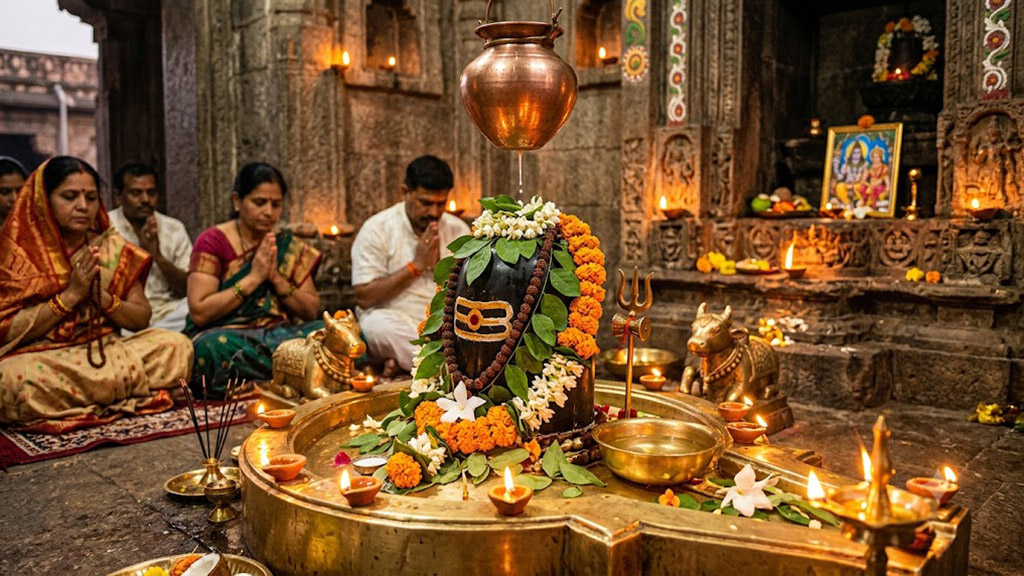
The twilight period around sunset is central to many Pradosh observances. Devotees commonly prepare for puja in the evening, light a diya and worship Lord Shiva, sometimes alongside Goddess Parvati and Nandi. Some traditions also include visiting a Shiva temple, listening to devotional stories or reciting a Shiva stotra. Exact puja timings depend on the local sunset and the tithi, so people who follow a panchang should check a reliable local calendar.
When Is Pradosh Vrat Observed?
Pradosh Vrat occurs twice in most lunar months: once during Shukla Paksha, the waxing Moon, and once during Krishna Paksha, the waning Moon. The weekday on which Trayodashi falls gives the observance its familiar name, such as Som Pradosh when it falls on Monday, Bhaum Pradosh on Tuesday, or Shani Pradosh on Saturday. The exact Gregorian date changes each month, and local tithi timings can differ by location.
For a specific date, check a current Hindu panchang for your city. Avoid relying on a generic calendar if you need the precise start and end of Trayodashi or the evening puja window.
Simple Pradosh Vrat Puja Vidhi
The following is a general guide. Follow your household tradition and the directions of your temple, as ritual details can differ.
- Prepare calmly: Bathe if convenient, wear clean clothes and tidy the place where you will pray.
- Set your intention: Take a moment to remember Lord Shiva and state your intention to observe Pradosh with sincerity.
- Arrange simple offerings: Keep water, a diya, flowers and bel leaves if they are customary and available. Use a picture of Lord Shiva or a Shiva lingam respectfully.
- Offer water and flowers: Make offerings according to your tradition. At a temple, follow its rules and instructions.
- Chant a mantra: Recite “Om Namah Shivaya” slowly or read a Shiva prayer that is familiar to you.
- Read or listen to Pradosh Katha: Some devotees hear a devotional story or read a Shiva stotra as part of the evening worship.
- Perform aarti and conclude: Offer aarti if this is part of your practice, sit quietly for a moment and share prasad where appropriate.
Pradosh Vrat Fasting Rules and Food Choices
Fasting customs are not identical everywhere. Some devotees keep a strict fast, some eat fruit or other permitted foods, and others choose a simple meal while focusing on prayer. Follow the practice customary in your family and choose an approach that is safe for your circumstances. A strict fast is not essential or suitable for everyone.
- Decide in advance what kind of observance is manageable for you.
- If food is permitted in your tradition, choose simple foods and drink fluids as appropriate.
- Do not ignore dizziness, weakness or other signs that you need to stop fasting.
- Children, pregnant or breastfeeding people, older adults, and people with medical conditions or medication schedules should seek medical advice before fasting.
- Break the fast in accordance with your custom, with a balanced meal and adequate fluids when permitted.
Pradosh Vrat Katha and Devotional Lessons
Different communities preserve different versions of Pradosh Vrat Katha. These devotional narratives often emphasise faith, humility, compassion and the importance of remembering Lord Shiva through difficult circumstances. Because the wording and details may differ, devotees may choose to read the version followed by their family or local temple.
Whatever version you hear, reflect on its values: be honest in your actions, show kindness to others, practise gratitude and approach worship with humility rather than treating it as a transaction.
Mantra for Pradosh Evening Worship
A widely recited mantra for Lord Shiva is:
ॐ नमः शिवाय
Om Namah Shivaya
The mantra is commonly understood as a respectful salutation to Lord Shiva. Repeat it aloud or silently at a comfortable pace. You may also recite a Shiva stotra or prayer that is part of your own tradition.
Helpful Tips for a Peaceful Pradosh Vrat
- Check a current local panchang if you want to follow the specific Trayodashi tithi and evening puja period.
- Keep the puja space clean and use offerings respectfully.
- Give yourself a few quiet minutes without phone notifications or other distractions.
- Let the observance encourage patience, honesty, compassion and self-control throughout the day.
- Respect different regional and family traditions, and adapt fasting to your health and responsibilities.
Frequently Asked Questions About Pradosh Vrat
How often does Pradosh Vrat occur?
It generally occurs twice in a lunar month, on Trayodashi during Shukla Paksha and Krishna Paksha. The corresponding Gregorian dates vary.
What is the best time for Pradosh Puja?
Many devotees perform puja during the twilight period around sunset. The exact timing depends on local sunset and the tithi, so consult a current local panchang for date-specific details.
Is fasting compulsory on Pradosh Vrat?
Fasting customs vary by family and region. If a strict fast is unsuitable, you may choose a safer form of observance centred on prayer, mantra and thoughtful conduct.
Can Pradosh Vrat be observed at home?
Yes. Many devotees pray at home, light a diya if safe, chant “Om Namah Shivaya” and offer flowers or water according to their custom. A temple visit is not the only way to practise personal devotion.
What is Som Pradosh or Shani Pradosh?
These names describe Pradosh Vrat when Trayodashi falls on Monday or Saturday respectively. Other weekday names are also used in devotional traditions.
Final Thoughts: Make Pradosh Vrat a Moment of Reflection
Pradosh Vrat brings together evening prayer, remembrance of Lord Shiva and the discipline of pausing amid a busy routine. Whether you visit a temple, perform a simple puja at home, chant a mantra or listen to the vrat katha, let the observance support patience, gratitude and compassion in daily life.
Rituals and fasting customs differ, and the most appropriate practice is one you can follow sincerely and safely. For exact dates and puja timings, use a reliable local panchang.
Note: This article shares general information about devotional traditions. Practices may vary by region, temple and family, and fasting is not suitable for everyone.