
True Mental Fitness Guide 2026: Bhasma Aarti, Darshan Itinerary & Travel Tips
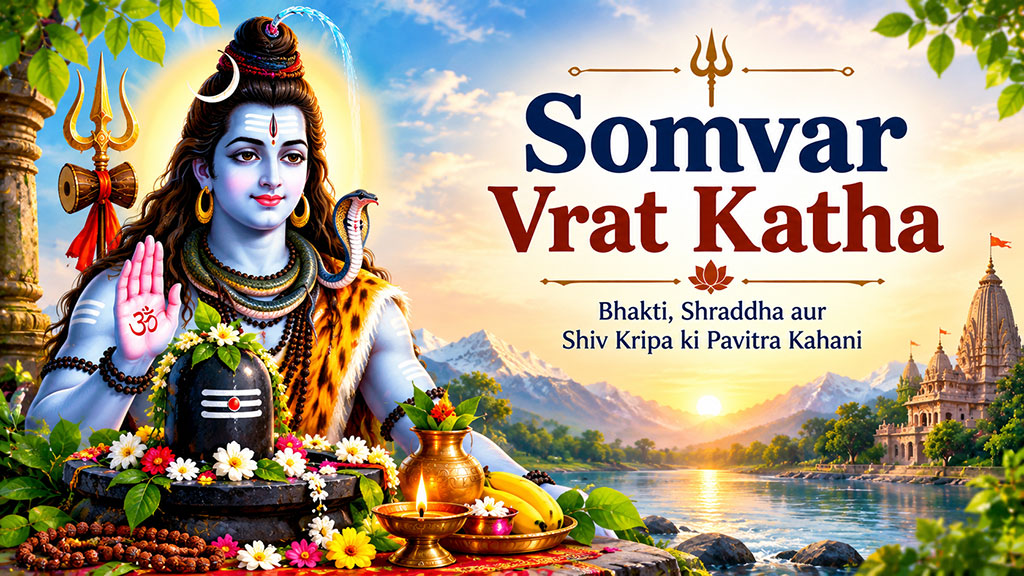
Somvar Vrat is a Hindu observance dedicated to Lord Shiva, worshipped as Mahadev, Bholenath and Shankar. “Somvar” means Monday, and many devotees observe a fast, offer prayers and visit a Shiva temple on this day. For many families, the practice is a way to cultivate devotion, patience, self-discipline and a quieter mind.
There is no single routine followed by every household. Customs may differ by region, family tradition and personal circumstances. You can observe Somvar Vrat in a simple, sincere way, focusing on prayer, respectful conduct and remembrance of Lord Shiva rather than making the day difficult for yourself.
What Is the Meaning and Significance of Somvar Vrat?
Somvar Vrat is a Monday fast and devotional practice associated with Lord Shiva. In Hindu tradition, Shiva represents transformation, inner stillness and the ability to move beyond ego and attachment. Devotees pray for spiritual strength, peace at home, wisdom and the courage to face life's challenges. Some people also observe the vrat while praying for a suitable life partner or harmony in married life; these are matters of faith and personal tradition.
The value of a vrat is often understood through intention and discipline. Taking time to pray, speak kindly, avoid unnecessary conflict and reflect on one's actions can make the observance meaningful even when a person follows a modest routine.
Why Is Monday Associated With Lord Shiva?
Monday is traditionally regarded as an auspicious day for Shiva worship in many Hindu communities. Devotees may offer water to the Shiva lingam, chant “Om Namah Shivaya,” read a Shiva-related prayer or listen to a Somvar Vrat Katha. Shravan Maas, the sacred month associated with Lord Shiva, is especially important for many devotees, although Somvar Vrat may be observed on Mondays throughout the year.
Simple Somvar Vrat Puja Vidhi
Use the following steps as a general guide and adapt them to your family tradition. Temple customs and regional practices may vary.
- Begin with cleanliness: Wake up at a suitable time, bathe and wear clean clothes. Set aside a calm, tidy space for worship.
- Make a sincere sankalp: Quietly express your intention to observe Monday in devotion to Lord Shiva.
- Prepare the puja space: Place an image of Lord Shiva or a Shiva lingam respectfully. Keep water, flowers, bel leaves, a diya and incense if these are part of your practice.
- Offer water and bel leaves: Offer water gently and place bel leaves or flowers as appropriate. Follow temple instructions when worshipping at a public shrine.
- Chant a prayer or mantra: Repeat “Om Namah Shivaya” at a comfortable pace, or read a Shiva stotra or your family's customary prayer.
- Read the vrat katha: If your tradition includes a Somvar Vrat Katha, read or listen to it with attention.
- Conclude with aarti and prasad: Offer aarti if customary, pray quietly and share prasad with family where appropriate.
Somvar Vrat Fasting Rules and Food Choices
Fasting practices differ. Some devotees avoid grains and regular meals, some eat fruit and dairy, some take one simple meal, and others choose a lighter observance with prayer. Follow the rules that are customary in your family and suitable for your health. Drinking water may be permitted in many forms of the vrat, but individual traditions vary.
- Decide on a realistic fasting approach before the day begins.
- If your practice allows food, choose simple options such as fruit, milk, curd or vrat-friendly foods commonly used in your household.
- Avoid turning fasting into a test of endurance. Do not ignore dizziness, weakness or other warning signs.
- Children, pregnant or breastfeeding people, older adults, and anyone with a medical condition or medication schedule should seek appropriate medical advice before fasting. Fasting is not suitable for everyone.
- Break the fast according to your custom, with a balanced meal and adequate fluids when permitted.
Somvar Vrat Katha: A Devotional Tradition
Different versions of the Somvar Vrat Katha are told in regional and family traditions. These stories commonly highlight faith, humility, generosity and devotion to Lord Shiva. In many tellings, a devotee's sincerity is tested and compassion or grace follows when the devotee remains steadfast. Details can differ between versions, so readers may prefer the story traditionally recited in their own household or community.
When reading the katha, focus not only on the events of the story but also on its values: keep your promises thoughtfully, treat others with compassion, practise gratitude and avoid judging people by their circumstances.
Mantra for Monday Shiva Worship
A widely recited mantra is:
ॐ नमः शिवाय
Om Namah Shivaya
The mantra is commonly understood as a respectful salutation to Lord Shiva. You may repeat it silently or aloud according to your comfort and tradition. There is no need to rush; a few attentive repetitions can be more meaningful than chanting mechanically.
What Should Devotees Keep in Mind?
- Keep your observance sincere, peaceful and manageable.
- Use fresh water and clean offerings where possible, and follow the practices of the temple you visit.
- Practise kindness, honesty and self-control alongside ritual worship.
- Respect that relatives and communities may follow different fasting rules.
- Do not feel guilty if health, work or caregiving responsibilities mean you need to adapt the observance.
Frequently Asked Questions About Somvar Vrat
Can Somvar Vrat be observed every Monday?
Yes, many devotees observe it on Mondays throughout the year. Some choose a particular month, such as Shravan, or follow a set number of Mondays according to family tradition.
What time should Somvar Vrat puja be performed?
Many people pray in the morning after bathing, while others worship at a convenient time or visit a temple. Follow your local temple's schedule and family custom rather than assuming one timing applies everywhere.
Is a full-day fast compulsory?
Fasting customs vary, and a strict fast is not appropriate for everyone. Devotion can also be expressed through prayer, mantra, charitable acts and mindful conduct. Choose a safe practice that fits your circumstances.
Can I observe Somvar Vrat if I cannot visit a temple?
Many devotees pray at home, offer water or flowers if customary, chant a mantra and read the vrat katha. A temple visit is not the only way to maintain a personal devotional practice.
Which offerings are commonly made to Lord Shiva?
Water, bel leaves and flowers are common offerings in many traditions. Practices vary, so follow your family's custom and the instructions at the temple you visit.
Final Thoughts: Keep Somvar Vrat Simple and Sincere
Somvar Vrat is a meaningful Monday tradition for devotees who wish to remember Lord Shiva through prayer, restraint and reflection. Whether you visit a temple, perform a small puja at home, chant “Om Namah Shivaya” or listen to the vrat katha, let the practice encourage patience and compassion in everyday life.
Traditions differ, and the most suitable observance is one you can follow sincerely and safely. Keep your intentions clear, respect your health and responsibilities, and let devotion be reflected in how you treat others.
Note: This article describes general devotional traditions for educational purposes. Rituals and fasting customs may vary by region, temple and family.