
The Ultimate Guide to Strength Training: Build Muscle, Burn Fat & Transform Your Health
If you’ve ever felt intimidated by rows of heavy barbells or confused by conflicting fitness advice online, you’re not alone. The truth is, strength training isn’t just for bodybuilders or elite athletes—it is the foundational pillar of lifelong vitality, physical independence, and metabolic health.
Whether your goal is to lose fat, protect your joints, improve functional movement for daily tasks, or simply feel stronger in your everyday life, resistance training delivers results that no amount of cardio alone can match.
Why Strength Training Matters More Than Ever
Modern lifestyles often involve long hours of sitting, leading to muscle deconditioning, joint stiffness, and slower metabolisms. Incorporating smart resistance training helps counter these effects by building resilient muscle tissue and safeguarding your joints against wear and tear.
Key Science-Backed Benefits
- Accelerated Metabolic Rate: Muscle tissue burns more calories at rest than fat tissue. Building lean muscle helps elevate your resting metabolic rate (RMR), helping you manage weight more effectively.
- Enhanced Bone Density: Lifting weights places healthy stress on bones, stimulating osteoblasts to build denser, stronger bone structure and significantly lowering the risk of osteoporosis.
- Improved Joint & Postural Health: Strengthening the muscles around your knees, hips, and shoulders stabilizes joints and mitigates common pain caused by sedentary desk work.
- Insulin Sensitivity & Blood Sugar Control: Skeletal muscle acts as a primary sink for glucose, vastly improving your metabolic flexibility and insulin sensitivity.
- Mental Resilience & Cognitive Boost: Regular resistance exercise releases neuroprotective factors, reducing anxiety, boosting mood, and sharpening focus.
💡 Golden Rule: Progressive Overload
Your muscles adapt when challenged. To keep making gains without burnout or injury, gradually increase the demand—whether by adding a little weight, performing an extra rep, or improving your execution speed and form over time.
The Essential Movement Patterns
A balanced strength routine doesn't need dozens of complex exercises. Focus on mastering these five core compound movement patterns:
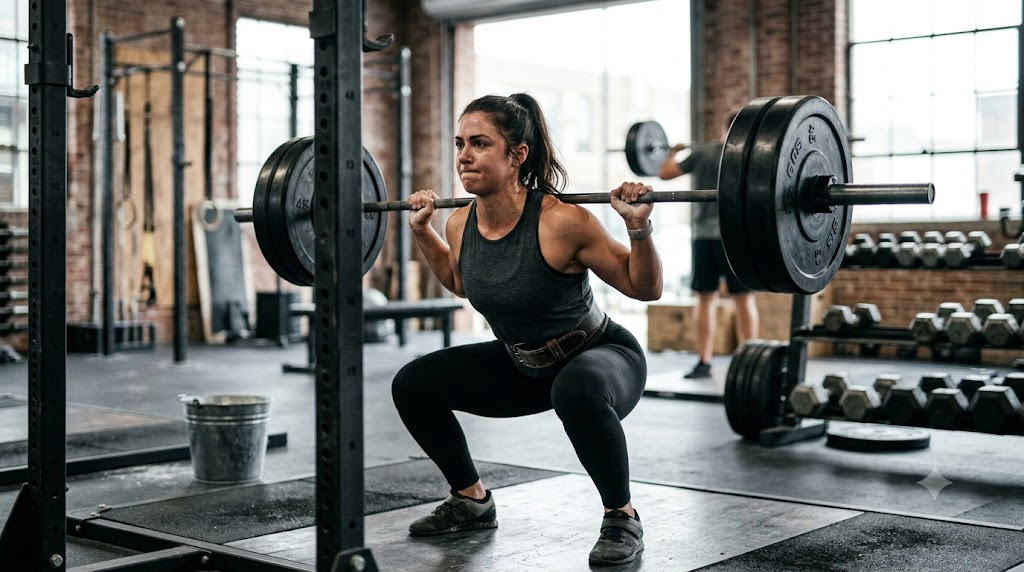
- Squat (Lower Body Push): Goblet squats, barbell back squats, or bodyweight box squats to strengthen quads, glutes, and core.
- Hinge (Posterior Chain): Romanian deadlifts, kettlebell swings, or glute bridges for hamstrings, lower back, and hips.
- Push (Upper Body Push): Dumbbell bench press, overhead press, or push-ups to build chest, shoulders, and triceps.
- Pull (Upper Body Pull): Bent-over rows, lat pulldowns, or pull-ups to strengthen upper back, lats, and biceps.
- Carry & Core: Farmer's carries, planks, or pallof presses to develop functional midsection stability.
Sample 3-Day Beginner Full-Body Routine
Perform this workout 3 non-consecutive days per week (e.g., Monday, Wednesday, Friday). Allow 60–90 seconds of rest between sets.
- Goblet Squat: 3 sets × 8–10 reps
- Dumbbell Bench Press or Push-ups: 3 sets × 8–10 reps
- Dumbbell or Cable Row: 3 sets × 10–12 reps
- Romanian Deadlift: 3 sets × 10–12 reps
- Plank Hold: 3 sets × 30–45 seconds
Nutrition & Recovery: The Other 50%
Lifting weights provides the stimulus, but real growth happens while resting. Keep these fundamentals in mind:
- Protein Intake: Aim for roughly 1.6 to 2.2 grams of protein per kilogram of body weight to support muscle repair.
- Hydration: Muscles are made of roughly 75% water. Proper fluid intake ensures optimal performance and recovery.
- Quality Sleep: Strive for 7–9 hours of quality sleep per night—this is when growth hormone peaks and tissues recover.
“Consistency beats intensity every single time. Start with weights you can comfortably control, focus on crisp form, and enjoy the process of becoming stronger week after week.”
Frequently Asked Questions About Strength Training
Do I need to lift heavy weights to see results?
Not necessarily. While lifting heavier weights is effective for strength, you can build muscle and improve fitness using lighter weights, resistance bands, or bodyweight exercises as long as you challenge your muscles consistently through progressive overload.
How many days a week should beginners train?
For beginners, 2 to 3 full-body strength training sessions per week with at least one rest day in between is ideal to allow adequate muscle recovery and adaptation.
Will strength training make me bulky?
Building massive bulk requires specific, intense training regimens, a heavy calorie surplus, and specific genetic predispositions. For most people, strength training creates a lean, toned, and strong physique.
Can older adults do strength training?
Absolutely! Strength training is especially beneficial as we age because it combats age-related muscle loss (sarcopenia), preserves bone density, and maintains functional independence.
Final Thoughts: Start Your Strength Journey Today
Building strength is a lifelong investment in your physical and mental well-being. You don't need an elaborate gym setup or a complicated program to get started—just a commitment to showing up for yourself a few times a week, moving with proper form, and resting well.
Health note: This article provides general educational information and is not a substitute for professional medical or fitness advice. Consult a healthcare provider or certified personal trainer before starting a new exercise regimen.