
Stronger and Healthier Life Guide 2026: Bhasma Aarti, Darshan Itinerary & Travel Tips
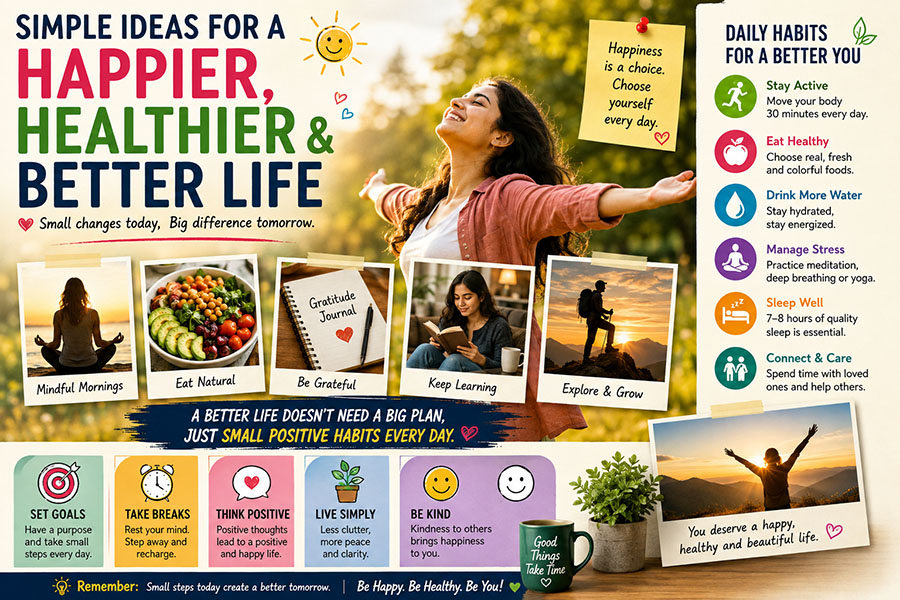
A stronger and healthier life rarely comes from one dramatic change. It grows from small, repeatable choices: eating nourishing food, moving your body, getting enough sleep, managing stress, and making time for people and activities that help you feel good. You do not need a perfect routine to begin. Start with one or two realistic habits and build from there.
These practical healthy lifestyle tips are designed for busy everyday life. Whether you work at a desk, manage a household, study, or balance several responsibilities, simple changes can help support your energy, mood, fitness, and long-term wellbeing.
1. Build a Balanced and Nourishing Diet
Healthy eating is about variety and consistency, not strict rules. Aim to include vegetables, fruit, whole grains, pulses, nuts, and suitable sources of protein in your meals. Traditional home-cooked foods can be part of a balanced diet, so you do not need expensive ingredients or complicated recipes to eat well.
- Add colour to your plate: Include different vegetables and fruits across the day for a wider range of nutrients.
- Choose filling staples: Whole grains, beans, lentils, and other fibre-rich foods can help make meals satisfying.
- Be mindful of highly processed foods: Keep foods high in added sugar, excess salt, and unhealthy fats as occasional choices rather than everyday staples.
- Eat at a comfortable pace: Notice hunger and fullness cues instead of rushing through every meal.
2. Make Daily Movement a Habit
Regular physical activity supports heart health, strength, balance, mood, and everyday mobility. You do not have to join a gym or complete a demanding workout to get started. Walking, cycling, dancing, gardening, yoga, and active play all count toward a more active lifestyle.
- Start small: Take a 10-minute walk and gradually increase the duration as your fitness improves.
- Break up sitting time: Stand, stretch, or walk briefly during long periods at a desk.
- Include strength work: When appropriate for your ability, add simple resistance exercises two or more days a week.
- Choose something you enjoy: An activity you like is easier to repeat consistently.
3. Prioritise Quality Sleep
Good sleep helps the body recover and supports attention, learning, mood, and general health. Most adults need around seven to nine hours each night, although individual needs vary. A regular sleep schedule and a relaxing evening routine can make rest easier.
- Go to bed and wake up at roughly the same time each day.
- Keep your bedroom quiet, dark, and comfortable where possible.
- Reduce bright screens and stimulating activities before bedtime.
- Limit late-day caffeine if it interferes with your sleep.
If sleep problems continue or regularly affect daily life, consider speaking with a qualified healthcare professional.
4. Drink Water Throughout the Day
Water helps regulate body temperature and supports many normal body functions. Keep water within reach and drink regularly, especially in hot weather or when you are physically active. Needs vary with climate, activity, age, and health, so use thirst and your circumstances as a guide. Water-rich foods and other drinks can also contribute to fluid intake.
5. Manage Stress in Healthy Ways
Stress is part of life, but ongoing stress can affect sleep, concentration, mood, and daily routines. Give yourself short, realistic pauses instead of waiting for a completely free day. Slow breathing, meditation, prayer, time outdoors, journaling, and talking with someone you trust may help you reset.
- Take a few slow breaths before moving to your next task.
- Break large responsibilities into smaller, manageable steps.
- Make time for hobbies, family, friends, and activities that feel meaningful.
- Set reasonable boundaries and ask for help when you need it.
If stress, anxiety, or low mood feels overwhelming or persists, reach out to a qualified mental health professional or healthcare provider.
6. Protect Your Health With Preventive Care
Healthy habits work best alongside appropriate preventive healthcare. Keep recommended vaccinations up to date, attend age- and risk-appropriate health screenings, and seek medical advice about symptoms that concern you. Avoid tobacco, and if you drink alcohol, understand that less is generally better for health. Do not start supplements or restrictive diets based on online trends without checking whether they are suitable for you.
7. Stay Connected and Keep Learning
Health is not only physical. Positive social connections, learning, and a sense of purpose can support emotional wellbeing. Make time for a conversation with a friend, share a meal with family, learn a skill, read a book, or take part in your community. Small moments of connection can make daily life feel more balanced.
A Simple Daily Healthy-Living Routine
You can adapt this easy routine to your schedule, preferences, and health needs:
- Morning: Wake up at a consistent time, drink water, eat a nourishing breakfast if you prefer one, and stretch or walk.
- During the day: Choose balanced meals, take movement breaks, drink fluids regularly, and step away from screens when possible.
- Evening: Make time to unwind, connect with loved ones, prepare for the next day, and follow a calming bedtime routine.
“Progress, not perfection, is the goal. A small healthy choice repeated often can become a lasting part of your life.”
Common Healthy Lifestyle Mistakes to Avoid
- Changing everything at once: Pick one manageable habit first, then add another when it feels established.
- Following extreme diets: Choose sustainable, balanced eating rather than quick fixes or unnecessary restrictions.
- Ignoring recovery: Rest days and sufficient sleep are part of a healthy routine, not signs of laziness.
- Comparing your progress: Fitness, energy, and health needs differ from person to person.
- Ignoring persistent symptoms: Online tips are not a substitute for personalised medical advice.
Frequently Asked Questions
What is the easiest way to start living a healthier life?
Choose one simple action you can repeat, such as walking for 10 minutes, adding a serving of vegetables to a meal, or keeping a regular bedtime. Build gradually rather than trying to change your whole routine overnight.
How much exercise should I do each week?
Many adults can aim toward public-health guidance of 150–300 minutes of moderate aerobic activity each week, plus muscle-strengthening activities on at least two days. Start at a level that suits your current fitness and health, and ask a clinician for guidance if you have medical concerns.
Do I need expensive foods or a gym membership to stay healthy?
No. Walking, home-based strength exercises, stretching, and balanced meals made with affordable seasonal produce, grains, and pulses can all support a healthier routine.
How long does it take to notice a difference?
It varies. Some people notice changes in energy or mood relatively soon, while improvements in fitness and other health measures may take longer. Focus on consistent habits instead of expecting a fixed timeline.
Final Thoughts
A stronger and healthier life is built through everyday decisions, not perfection. Eat a varied diet, move regularly, sleep well, stay hydrated, manage stress, and seek preventive care when needed. Make the habits realistic for your life and give yourself time to practise them. If you have a chronic condition, are pregnant, take regular medication, or have specific dietary or exercise needs, speak with a qualified healthcare professional before making major changes.