
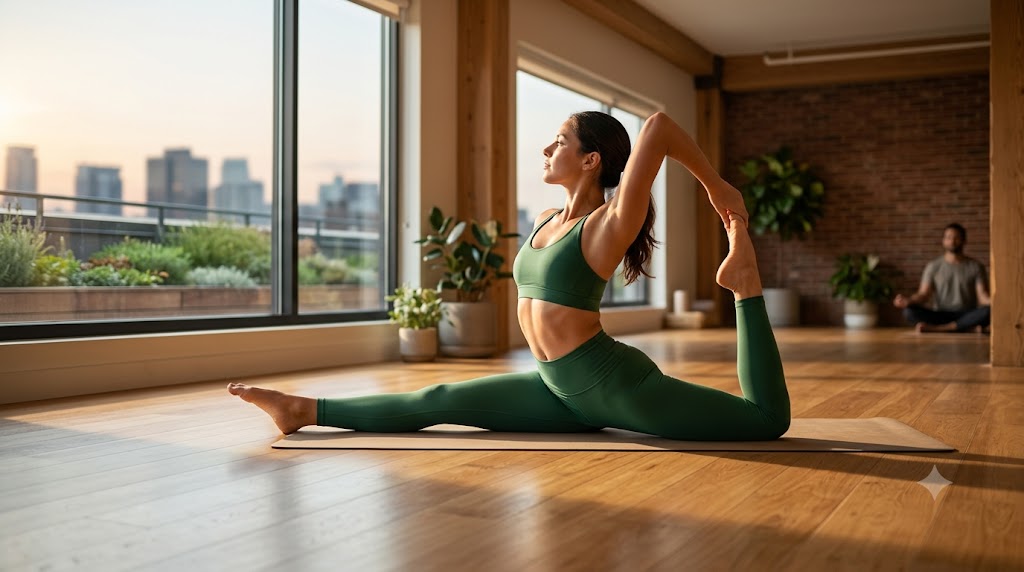
Unlock Peak Mobility: Bend, Stretch, and Reclaim Daily Vitality
Do you feel stiff after sitting at a desk, waking up in the morning, or spending a long time on your phone? You are not alone. Everyday routines can leave the body feeling tight and less ready to move. The good news is that regular, gentle stretching and mobility work can help you move more comfortably and make daily activities feel easier.
Flexibility is the ability of muscles and other soft tissues to lengthen, while mobility describes how comfortably and effectively a joint moves through its available range. They work together, but they are not exactly the same. A balanced fitness routine gives attention to both, alongside strength, balance, and aerobic activity.
Why Flexibility and Mobility Matter
Reaching overhead, turning to look behind you, getting up from a chair, tying your shoes, or playing with children all depend on comfortable movement. A regular mobility routine can help maintain your range of motion and body awareness. Stretching may also feel relaxing and provide a useful break from long periods of sitting.
- Everyday movement: Practise comfortable positions used in daily tasks.
- Posture awareness: Pair movement breaks with a comfortable, varied sitting and standing position.
- Workout preparation: Gentle dynamic movements can help prepare your body before exercise.
- Relaxation: Slow breathing during a gentle stretch can make the routine feel calmer.
- Healthy ageing: Maintaining movement, strength, and balance can support independence as you get older.
A Simple Daily Stretching Routine
You do not need a gym or special equipment to get started. Choose a clear space, move slowly, and keep each movement comfortable. Try this short sequence as a starting point, adjusting it to your ability.
1. Neck and shoulder release
Sit or stand tall with relaxed shoulders. Slowly turn your head from side to side without forcing the movement. Follow with gentle shoulder rolls. Avoid pulling on your head or pushing into discomfort.
2. Chest opener
Stand tall and gently draw your shoulders back while keeping your ribs relaxed. Hold a comfortable position for a few breaths. This can be a useful counter-movement after time spent leaning toward a screen.
3. Cat-cow movement
On hands and knees, slowly round your back and then gently lengthen it, coordinating the movement with easy breathing. Keep the range small if your back feels sensitive.
4. Hip flexor stretch
From a supported half-kneeling position, place one foot forward and gently shift your hips forward while keeping your torso upright. You should feel a mild stretch at the front of the back hip, not pain in the knee or lower back.
5. Calf stretch
Face a wall, place your hands on it, and step one foot back. Keep the back heel comfortably grounded and lean forward slightly until you feel a gentle stretch in the calf. Switch sides.
6. Ankle circles and easy walking
Move each ankle through slow, comfortable circles, then walk around for a minute or two. Small movements can be a helpful way to break up long periods of sitting.
Stretching Safely: Small Habits That Help
- Warm up first: Walk or march gently for a few minutes before longer static stretches.
- Ease into each position: Aim for mild tension, never sharp pain, numbness, or tingling.
- Breathe normally: Avoid holding your breath or bouncing forcefully.
- Be consistent: A short routine repeated regularly is more realistic than an intense session you rarely do.
- Balance stretching with strength: Strong muscles help support controlled movement and joint function.
- Adapt to your body: Use a chair or wall for support and reduce the range if needed.
Dynamic Stretching or Static Stretching?
Dynamic stretching uses controlled movement, such as arm circles, gentle leg swings, or marching. It is often useful before exercise. Static stretching means holding a comfortable position for a period of time and is commonly included after activity or during a separate flexibility session. Neither needs to be forced; choose the approach that fits your activity and feels appropriate for you.
Make Mobility Part of Your Day
Attach movement to habits you already have. Stretch gently after getting out of bed, stand and walk during work breaks, move your shoulders after a long video call, or take a short walk after lunch. Set a reminder if you often lose track of time while working. You can gradually build a routine that fits your schedule rather than trying to change everything at once.
When to Take Extra Care
Stretching should not cause sharp or worsening pain. If you have a recent injury, ongoing joint or back pain, a recent operation, or a condition that affects balance or movement, ask a qualified healthcare professional or physiotherapist which exercises are suitable. Stop if you experience pain, dizziness, numbness, or unusual symptoms. This article offers general educational information and is not a substitute for personalised medical advice.
The Takeaway
Better mobility is built through patient, repeatable habits—not by forcing your body into a perfect pose. Start with a few gentle movements, practise them consistently, and pay attention to how your body responds. With time, this simple investment in flexibility and movement can help you approach everyday life with greater comfort and confidence.
Try today: Take a two-minute movement break, roll your shoulders, stretch your calves gently, and go for a short walk. Keep it comfortable and make it a habit.
Health note: Individual flexibility and mobility needs vary. Do not push through pain, and seek professional guidance if you are unsure which movements are right for you.